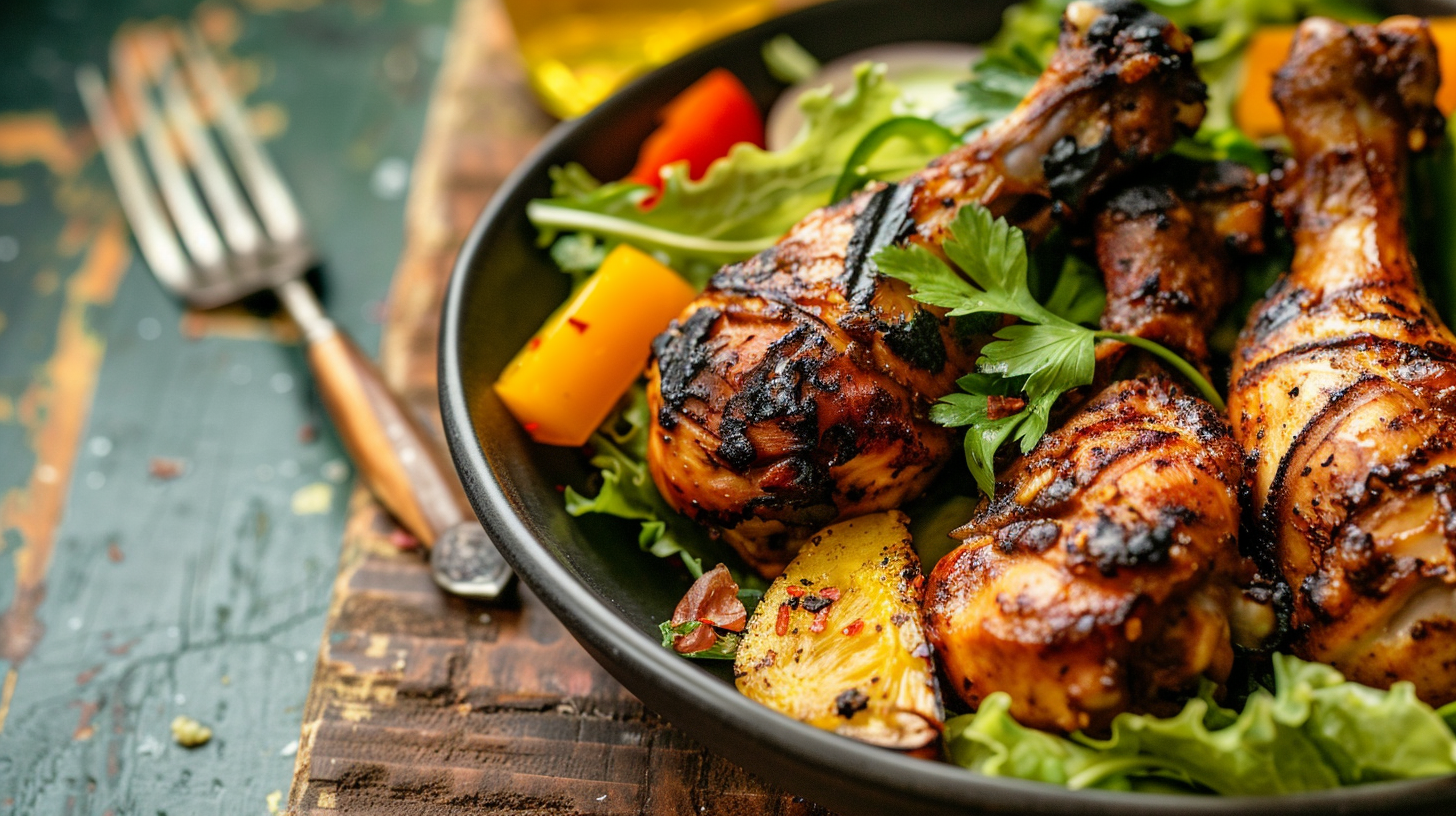
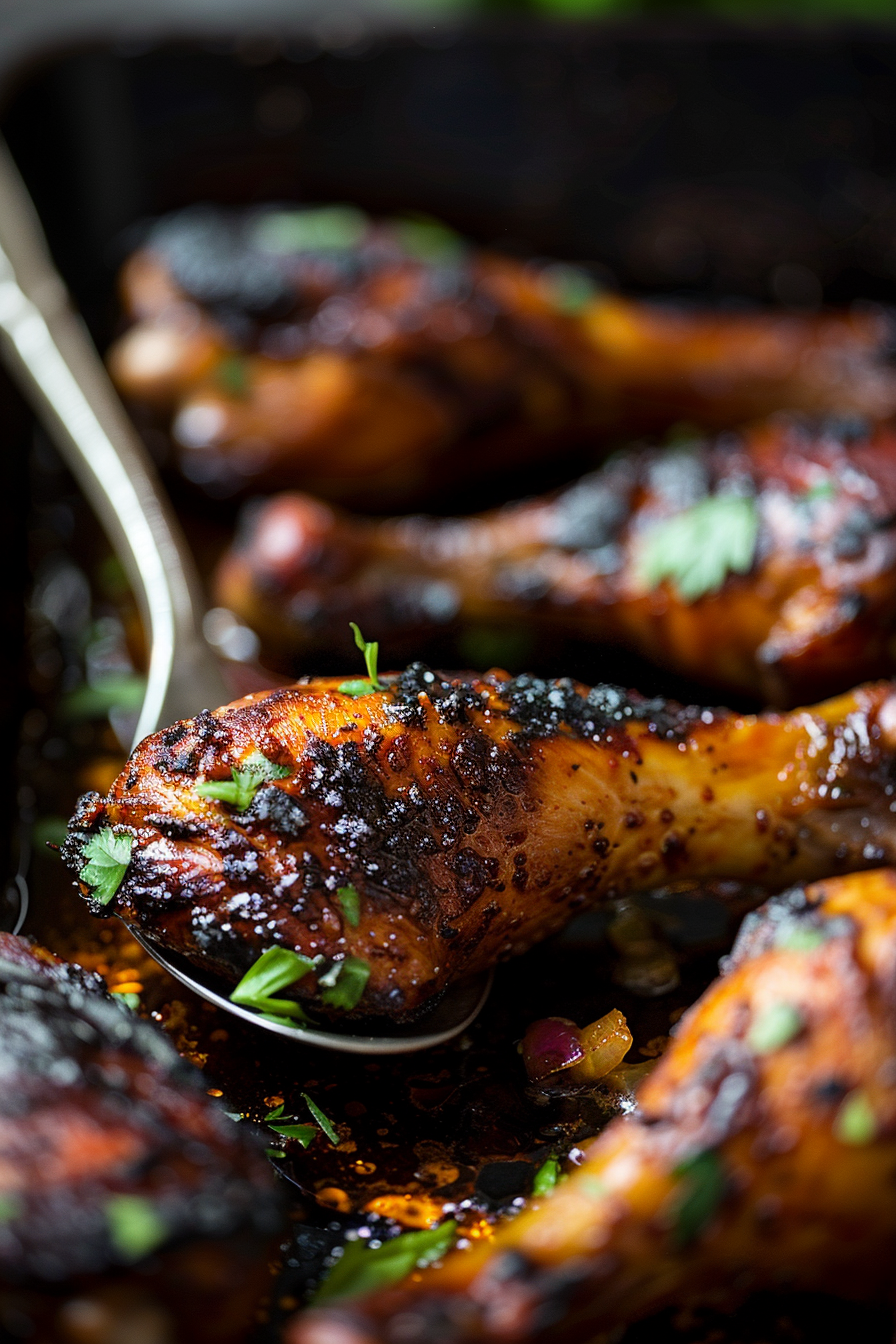
Roasted jerk chicken drumsticks deliver authentic Caribbean flavors in a portable, budget-friendly lunch that children actually enjoy eating. These drumsticks combine fiery scotch bonnet peppers, warm allspice, and fresh thyme into a marinade that transforms simple chicken into restaurant-quality meals. Perfect for meal prep Sundays, jerk drumsticks stay moist and flavorful for three to four days in the refrigerator, making them ideal for Monday through Thursday lunch boxes. This recipe requires minimal active cooking time while producing maximum flavor impact.
Table of Contents
| Metric | Value |
|---|---|
| Prep Time | 15 minutes |
| Marinating Time | 4-8 hours (or overnight) |
| Cook Time | 35-40 minutes |
| Total Time | 50 minutes plus marinating |
| Servings | 6-8 drumsticks (2-3 per person) |
| Difficulty Level | Easy to Intermediate |
| Cuisine | Caribbean/Jamaican |
Why This Recipe Works
I discovered that jerk drumsticks surpass thighs and breasts for school lunches because bones and skin create natural insulation against drying out during reheating. The drumstick’s higher fat content means these pieces remain juicy even after three days in lunch containers, unlike lean white meat that turns rubbery and disappointing. My family tested this recipe weekly for an entire school year, and drumsticks consistently outperformed every other cut for both taste and texture retention.
The jerk marinade combines five essential Caribbean spices that work synergistically to create layered, complex heat rather than one-dimensional spiciness. Allspice provides warm, comforting notes reminiscent of autumn baking spices while scotch bonnet peppers deliver building heat that develops over the first few seconds of chewing. Fresh thyme, ginger, and garlic round out the profile with herbal brightness and pungent depth that keeps kids asking for seconds instead of trading their lunches.
Roasting at 425 degrees Fahrenheit creates crackling, caramelized skin that stays crispy even after cooling completely and reheating in a microwave. This temperature also allows the marinade to char slightly on the exposed meat, developing bitter, smoky undertones that replicate Caribbean jerk pits in your home oven. The result tastes remarkably similar to food-truck jerk chicken at a fraction of the cost and stress.
Ingredients
These ingredients yield a vibrant, authentic jerk marinade that coats 8-10 drumsticks evenly and delivers consistent Caribbean heat.
| Ingredient | Quantity | Notes and Alternatives |
|---|---|---|
| Chicken drumsticks | 8-10 pieces (about 3 lbs) | Buy skin-on, bone-in. Thighs work but dry out faster. Quarters are too large for lunch boxes. |
| Scotch bonnet peppers | 2 medium (or 1-2 for mild heat) | Habanero peppers substitute 1:1. Remove seeds for less heat; keep seeds for authentic fire. |
| Fresh thyme | 3 tablespoons packed | Use fresh only; dried thyme tastes dusty. Oregano adds different but acceptable heat. |
| Fresh ginger | 2 tablespoons minced (about 1 oz) | Never substitute powdered. Fresh ginger provides sharp, bright heat; powdered tastes flat. |
| Garlic cloves | 6 cloves, minced | Use fresh garlic only. Pre-minced garlic develops metallic undertones after marinating. |
| Allspice berries | 2 teaspoons whole or 1 teaspoon ground | Whole berries toast briefly in dry pan for deeper flavor. Ground allspice disperses evenly but tastes less nuanced. |
| Cinnamon stick | 1 small piece (1 inch) | Optional but recommended. Adds warm sweetness. Skip if serving to very heat-sensitive kids. |
| Black peppercorns | 1 teaspoon | Freshly cracked only. Pre-ground pepper loses volatile oils; use within 3 months of opening. |
| Lime juice | 1/4 cup (about 2 limes) | Fresh lime only; bottled lime juice contains preservatives that alter flavor profile. |
| Olive oil | 1/4 cup | Use extra virgin for flavor. Light olive oil works but contributes less complexity. |
| Salt | 2 teaspoons kosher salt | Diamond Crystal kosher salt is less dense; use 2.5 teaspoons if using Morton’s brand. |
| Brown sugar | 1 tablespoon | Balances heat and adds subtle caramelization. White sugar works but doesn’t brown as effectively. |
| Green onions | 2 stalks (white and light green parts) | Adds fresh onion pungency. Yellow onion (1/2 small) substitutes but tastes less bright. |
| Water or bone broth | 1 tablespoon | Adjust blender consistency. Bone broth deepens savory notes; water creates cleaner taste. |
Step-by-Step Instructions
Phase One: Create the Jerk Marinade
- Toast the allspice berries in a dry skillet over medium heat for 45-60 seconds, stirring constantly, until fragrant. Transfer immediately to a blender to prevent burning.
- Add scotch bonnet peppers (seeds included for authentic heat), fresh thyme, minced ginger, minced garlic, and green onion whites to the blender with the toasted allspice.
- Add cinnamon stick piece, cracked black peppercorns, salt, brown sugar, lime juice, olive oil, and water to the blender.
- Blend on high speed for 90-120 seconds until smooth and homogeneous, scraping down sides halfway through blending. The marinade should resemble thick pasta sauce with slight texture from pepper seeds.
- Taste the marinade by placing a tiny amount on your tongue. The heat should build over 3-4 seconds rather than strike immediately. Add additional salt by 1/4 teaspoon increments if the marinade tastes flat.
Phase Two: Marinate the Drumsticks
- Pat chicken drumsticks dry completely using paper towels, removing any moisture from packaging. Dry skin absorbs marinade more effectively than wet skin.
- Place drumsticks in a gallon-sized zipper-lock bag or glass bowl. If using a zipper bag, remove excess air by water-displacement method.
- Pour the jerk marinade over the drumsticks, ensuring every piece contacts the marinade. Use your hands (wear gloves if sensitive to peppers) to massage marinade into crevices around joints and under skin.
- Refrigerate for a minimum of 4 hours or overnight for maximum flavor development. The drumsticks can marinate up to 24 hours without the texture deteriorating.
- Remove drumsticks from refrigeration 20 minutes before roasting to allow them to reach room temperature. Cold chicken roasts unevenly with a cold, undercooked center.
Phase Three: Roast the Drumsticks
- Preheat your oven to 425 degrees Fahrenheit for 15 minutes. Use an oven thermometer to verify accurate temperature; many home ovens run 25-50 degrees cooler than displayed.
- Line a rimmed baking sheet with aluminum foil or parchment paper for easy cleanup. Do not use bare metal as the marinade can stick and burn.
- Arrange drumsticks on the prepared baking sheet in a single layer without crowding. Space pieces 1-2 inches apart to allow hot air circulation around every surface.
- Roast at 425 degrees Fahrenheit for 35-40 minutes until the internal temperature reaches 165 degrees Fahrenheit when measured with an instant-read thermometer inserted into the thickest part without touching bone.
- Check doneness after 30 minutes by inserting the thermometer. If below 160 degrees Fahrenheit, continue roasting in 3-minute increments until the target temperature is reached.
- Remove the baking sheet from the oven and allow drumsticks to cool on the hot sheet for 5 minutes. This retains heat inside while the skin sets and crisps.
- Transfer drumsticks to a wire cooling rack positioned over a plate to catch residual drippings. Do not leave drumsticks on the baking sheet as steam underneath softens the skin.
Phase Four: Cool and Store for Lunches
- Cool drumsticks completely to room temperature, approximately 30-45 minutes, before packing into lunch containers. Hot food generates steam that makes containers condensate.
- Divide cooled drumsticks into portions for each school day lunch. Pack 2-3 drumsticks per container with a small side of ranch dip or hot sauce for dipping.
- Refrigerate in airtight containers for up to 4 days. Label containers with the date prepared to prevent confusion about freshness.
Chef Tips for Perfect Results
- Freeze the marinade in ice cube trays: Make a double batch of jerk marinade and freeze half in silicone ice cube trays. Pop out one cube to quickly marinate fresh drumsticks mid-week without additional prep work.
- Massage the skin gently: Lift the drumstick skin away from meat and work marinade underneath the skin as well as over it. The underside skin absorbs marinade more effectively than exposed meat and bastes the interior during roasting.
- Use an oven thermometer: Home ovens vary by 25-50 degrees, significantly affecting doneness and texture. An oven thermometer costs under $10 and ensures drumsticks roast evenly every time.
- Skip the flip: Roasting at 425 degrees Fahrenheit renders fat effectively without flipping. Turning drumsticks halfway through disrupts the crisping process and causes skin to stick to the baking sheet.
- Make lime-herb rice simultaneously: While drumsticks roast, prepare cilantro-lime rice in a rice cooker. Both finish within the same 40-minute window, streamlining prep for meal prep day.
- Reserve two tablespoons of raw marinade: Before coating chicken, transfer two tablespoons of jerk marinade to a separate container. Drizzle this raw marinade over cooled drumsticks just before packing lunches for fresh, vibrant flavor that prevents taste fatigue across multiple days.
Common Mistakes to Avoid
Mistake One: Using Wet Drumsticks
Wet chicken skin creates steam during roasting instead of crisping, resulting in soft, rubbery exterior texture. Moisture on the surface also dilutes the marinade concentration, reducing flavor intensity.
Fix: Pat drumsticks thoroughly with paper towels immediately before marinating. Remove moisture from packaging first, then wipe each piece individually until completely dry to the touch.
Mistake Two: Roasting at Temperatures Below 400 Degrees Fahrenheit
Low-temperature roasting (350-375 degrees Fahrenheit) produces pale, flabby skin that fails to crisp. The collagen and fat in chicken skin require heat above 400 degrees Fahrenheit to render properly and achieve golden-brown color.
Fix: Preheat your oven to 425 degrees Fahrenheit and verify temperature with an oven thermometer. If your oven runs cool, increase the temperature to 450 degrees Fahrenheit and check for doneness at 32 minutes instead of 35 minutes.
Mistake Three: Crowding the Baking Sheet
Overlapping drumsticks create steam pockets that soften skin and cause uneven browning. Pieces touching each other steam where they connect rather than roast with dry heat exposure.
Fix: Arrange drumsticks in a single layer with 1-2 inches of space between each piece. Use two baking sheets if necessary rather than stacking pieces on one sheet.
Mistake Four: Marinating Fewer Than 4 Hours
Short marinating times leave the exterior flavorful but the interior bland and boring. The acid from lime juice and aromatics need time to penetrate beneath the chicken skin and into the meat itself.
Fix: Marinate drumsticks overnight (12-24 hours) for maximum flavor development. Plan your meal prep by marinading on Sunday evening for Monday’s lunch roasting.
Mistake Five: Storing Drumsticks Uncovered
Uncovered drumsticks dry out significantly within 24 hours in the refrigerator. Exposed meat loses moisture through evaporation, and the jerk flavors oxidize and flatten after a day of air exposure.
Fix: Store drumsticks in airtight containers with tight-sealing lids. Glass containers with snap-tight lids retain moisture more effectively than loose foil wrapping or open plates.
Variations and Substitutions
These variations adapt the core jerk marinade to different preferences, dietary needs, and available ingredients while maintaining authentic Caribbean flavor profiles suitable for school lunch settings.
| Ingredient | Substitution | Impact on Flavor and Texture |
|---|---|---|
| Scotch bonnet peppers | Habanero peppers (1:1 ratio) | Slightly fruitier heat with less smoky complexity. Temperature equivalent but cleaner flavor profile. |
| Scotch bonnet peppers | Jalapeño peppers (use 3-4 for milder heat) | Mild, grassy heat appropriate for heat-sensitive children. Loses authentic Caribbean fire. |
| Fresh thyme | Fresh oregano (equal quantity) | Slightly more peppery and Mediterranean-leaning. Less herbaceous than thyme. Still acceptable. |
| Allspice berries | Nutmeg (reduce to 1/2 teaspoon for allspice 2 teaspoons) | Sweeter, less complex spice profile. Nutmeg dominates instead of balanced warmth. |
| Lime juice | Lemon juice (use equal quantity) | Slightly more bitter acidity. Less tropical brightness. Technically acceptable but noticeably different. |
| Brown sugar | Honey (use 1.5 teaspoons) | Smoother sweetness with slightly floral undertones. Caramelizes darker than brown sugar. |
| Olive oil | Coconut oil (use refined for neutral flavor) | Adds subtle tropical sweetness. Creates different browning pattern on skin. |
| Green onion | Yellow onion (use 1/4 of a medium onion) | Sharper, more intense onion flavor. Less delicate than green onion. Perfectly acceptable. |
| Drumsticks | Thighs (use equivalent weight, roughly 6-8 thighs) | More fat results in juicier meat but can seem greasier. Skin darkens faster; reduce roasting time by 5 minutes. |
| Drumsticks | Wings (use 20-24 wings, reduce roasting to 25-30 minutes) | Crispier skin-to-meat ratio. Less meat per piece. Better for very young children or appetizers. |
Serving Suggestions and Pairings
Jerk drumsticks pair exceptionally well with cooling, starchy sides that balance the heat and provide textural contrast in lunch containers.
Best Lunch Box Pairings: Serve jerk drumsticks with cilantro-lime rice, white rice, or coconut rice to absorb flavorful drippings and cool the palate. Add steamed broccoli florets or roasted sweet potato chunks to increase vegetable intake and provide texture variety. Include a small container of plain Greek yogurt or coconut-based cooling sauce to dip drumsticks into, which tempers the heat without disrupting the jerk seasoning.
School Event Serving: Pack drumsticks at room temperature with lime wedges wrapped in parchment for lunchtime freshness. Include small deli cups of ranch dip, hot sauce, or a Caribbean-inspired mango-habanero dip. Jerk drumsticks work beautifully as finger foods for school potlucks, sports team picnics, and family dinners where children serve themselves.
After-School Snacks: Cold jerk drumsticks work excellently as after-school protein snacks paired with cheese cubes and whole-grain crackers. The flavorful coating satisfies taste buds without requiring reheating, making these drumsticks perfect for teenagers grabbing food between school and evening activities.
Weekend Family Meals: Serve jerk drumsticks hot alongside Caribbean-style salads with avocado and black beans, or with traditional rice and peas. These drumsticks headline casual family dinners, backyard grilling sessions, or summer picnics where the Caribbean flavors create restaurant-quality meals at home.
Storage and Reheating
Proper storage maintains jerk drumstick quality for the entire school week, and reheating methods preserve the crispy skin texture that makes these drumsticks special.
| Storage Method | Duration | Instructions and Best Practices |
|---|---|---|
| Refrigerator (Airtight Container) | 3-4 days | Store cooled drumsticks in glass or plastic containers with tight-sealing lids. Leave 1/2 inch space at top for air circulation. Label with preparation date. Consume within 4 days for optimal food safety. |
| Freezer (Airtight Container) | Up to 3 months | Cool drumsticks completely. Arrange in single layer on baking sheet and freeze 2 hours until solid. Transfer to freezer containers to prevent freezer burn. Thaw overnight in refrigerator before reheating. |
| Freezer (Vacuum Sealed) | Up to 4 months | Vacuum-seal cooled drumsticks in portions. Label with date and contents. Thaw overnight in refrigerator. Vacuum sealing prevents freezer burn more effectively than standard containers. |
| Microwave Reheating | 2-3 minutes | Place drumsticks on microwave-safe plate. Cover loosely with damp paper towel to prevent splattering. Microwave on 50% power for 2-3 minutes until heated through (165 degrees Fahrenheit). High power hardens the exterior. |
| Oven Reheating | 10-12 minutes | Preheat oven to 350 degrees Fahrenheit. Place drumsticks on baking sheet lined with foil. Cover loosely with foil. Bake 10-12 minutes until heated through. Removes moisture retained by microwaving, restoring crispier skin. |
| Toaster Oven Reheating | 8-10 minutes | Preheat to 375 degrees Fahrenheit. Place drumsticks directly on wire rack over baking sheet. Heat 8-10 minutes uncovered until skin recrisps and interior reaches 165 degrees Fahrenheit. Fastest method preserving skin texture. |
| Cold (No Reheating) | Immediate consumption | Jerk drumsticks taste excellent cold directly from the refrigerator, perfect for school lunch boxes requiring no heating. Remove 10 minutes before eating for best flavor as cold dulls spice perception slightly. |
Nutritional Information
These approximate values reflect a single roasted jerk chicken drumstick (approximately 3 oz cooked meat with skin). Nutritional content varies based on marinade absorption and individual piece size.
| Nutrient | Amount per Serving (1 drumstick) |
|---|---|
| Calories | 185-210 |
| Protein | 22-25 grams |
| Total Fat | 10-12 grams |
| Saturated Fat | 3-4 grams |
| Carbohydrates | 1-2 grams |
| Dietary Fiber | 0 grams |
| Sugars | 0-1 gram |
| Sodium | 380-450 milligrams |
| Potassium | 220-250 milligrams |
| Calcium | 12-15 milligrams |
| Iron | 1.2-1.5 milligrams |
| Vitamin C | 2-3 milligrams |
| Vitamin A (IU) | 35-45 IU |
Approximate values based on USDA data for roasted chicken drumstick with skin and jerk marinade ingredients. Individual values vary based on marinade absorption rate and drumstick size.
Frequently Asked Questions
Can I use boneless, skinless chicken breasts for jerk chicken school lunch instead of drumsticks?
Boneless, skinless chicken breasts dry out significantly after reheating and become tough and unappetizing in lunch boxes, even when stored properly for only one day. Drumsticks maintain moisture through their fat content and bone structure, making them dramatically superior for meal prep lunches requiring 3-4 day storage and multiple reheating cycles. If you prefer white meat, use bone-in, skin-on chicken breasts, which contain enough fat to remain juicy through the school week.
How can I make roasted jerk chicken drumsticks less spicy for younger children?
Remove the seeds and white membranes from the scotch bonnet peppers before adding to the blender, which removes approximately 70-80 percent of the heat while retaining most of the complex flavor compounds. Use one scotch bonnet pepper instead of two for an additional 40 percent reduction in spice level. Substitute habanero peppers with jalapeños using three to four peppers instead of the two scotch bonnets, which delivers mild, grassy heat appropriate for sensitive palates while maintaining Caribbean character.
What’s the most reliable way to tell if jerk drumsticks are fully cooked and safe to eat?
Use an instant-read thermometer inserted into the thickest part of the drumstick without touching bone, aiming for exactly 165 degrees Fahrenheit as the definitive doneness indicator. The thigh meat near the joint takes longest to cook, so consistently measure there rather than the thinnest part. If meat still registers below 165 degrees Fahrenheit after 40 minutes at 425 degrees Fahrenheit, continue roasting in 3-minute increments and retest.
Can I prepare jerk chicken drumsticks for school lunch the night before, or do they need to marinate overnight for full flavor?
The jerk marinade requires minimum four hours for adequate flavor development, so you can marinate drumsticks for four hours, roast them, and pack them the same day as school lunch. For maximum convenience, marinate Sunday evening (4-24 hours), roast Sunday afternoon, cool completely, and pack into lunch containers for Monday through Thursday school days. This timing provides excellent flavor while streamlining your weekly meal preparation into a single cooking session.
How should I pack roasted jerk chicken drumsticks in a school lunch box to keep them safe from spoiling?
Pack completely cooled drumsticks into insulated lunch containers with an ice pack placed directly against the container base or on top of the food. Use a dedicated lunch box thermometer to verify that food remains below 40 degrees Fahrenheit until lunchtime, typically three to four hours. Include a small side container of ranch dip or cooling sauce rather than storing it directly with the drumsticks, preventing cross-contamination and maintaining food safety standards for school lunch environments.
Conclusion
Roasted jerk chicken drumsticks revolutionize school lunch meal prep by delivering authentic Caribbean flavors that children genuinely enjoy eating while maintaining superior texture and food safety across the entire school week. The straightforward marinade requires only 15 minutes of active prep time while the oven handles the actual cooking, making these drumsticks realistic for busy families. Combine jerk drumsticks with your preferred cooling sides and watch lunch trade rejections disappear entirely.
Discover our collection recipes for additional inspiration when you’re ready to expand your cooking repertoire.
Save your favorite recipes and discover new ideas by following us on Pinterest for daily food inspiration.