Rice noodles stir fry represents one of the best quick dinner solutions you’ll ever make in your kitchen. This versatile Asian dish combines tender rice noodles with fresh vegetables, protein, and a savory sauce that comes together in minutes. I’ve been making rice noodles stir fry for years, and I’m genuinely amazed at how simple this meal becomes once you know the real secrets. The beauty of rice noodles stir fry lies in its adaptability—you control every ingredient to match your taste preferences perfectly.
Table of Contents
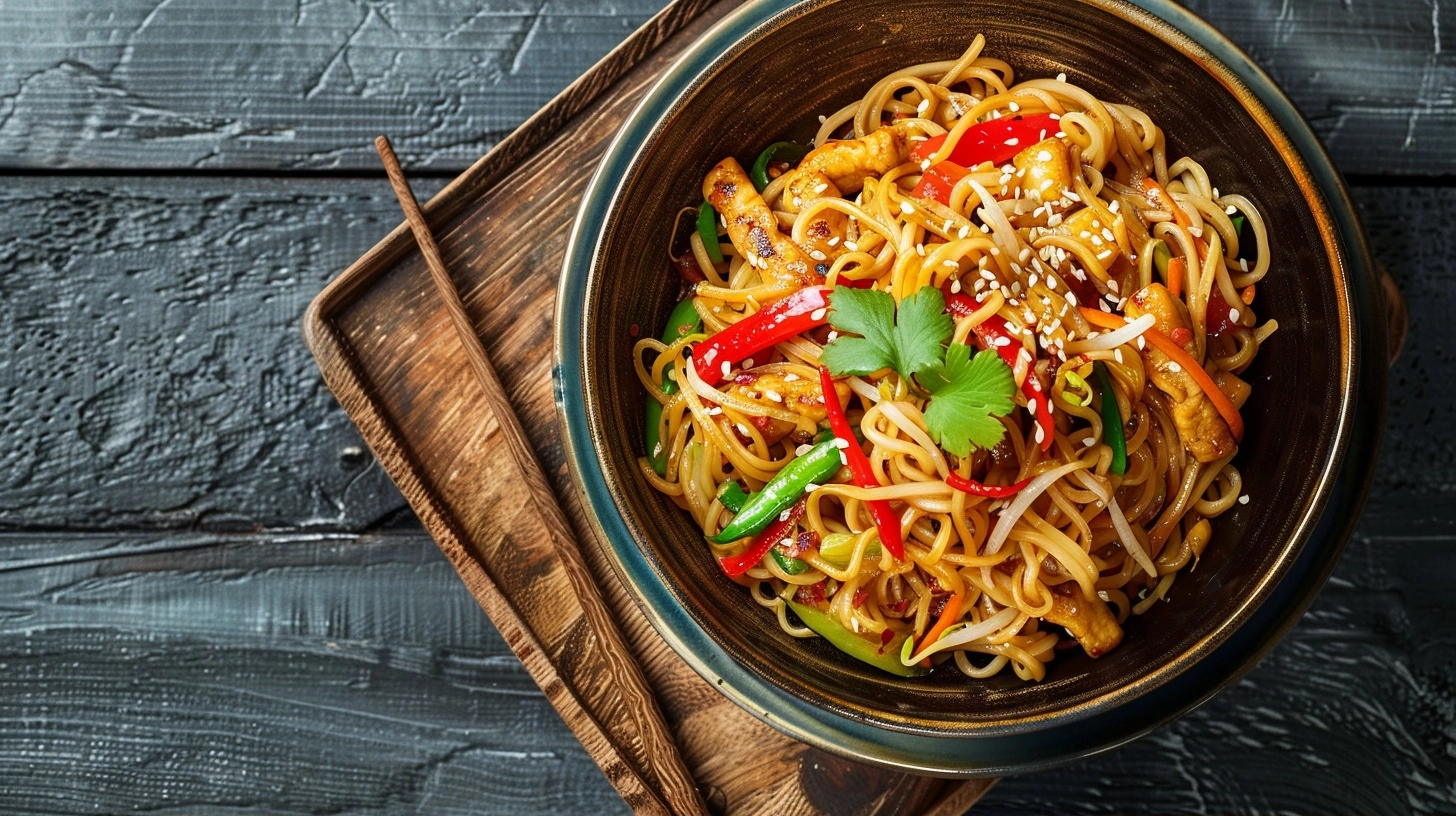

Rice Noodles Stir Fry: 9 Expert Tips for Perfect Results
Ingredients
Method
- Boil rice noodles in salted water 5-7 minutes, toss with 1 tsp sesame oil to prevent sticking
- Heat wok/pan to high heat with 1 tbsp oil
- Sear tofu or protein first, set aside
- Add garlic, ginger, chili, and carrots; stir fry 2-3 minutes
- Toss in red bell pepper and broccoli; cook 3-4 minutes until crisp-tender
- Combine cooked noodles with sautéed mixture and sauce
- Adjust seasoning by adding soy sauce incrementally
- Finish with optional garnish of sesame seeds or sliced green onions
Notes
Ensure pan is very hot before adding ingredients for optimal searing
Use tamari instead of regular soy sauce for gluten-free version
Add a splash of rice vinegar to balance flavors if desired
Store leftovers in airtight containers for 3-4 days
Reheat in skillet with a tsp water for best texture
Nutritional Information
Here’s the approximate nutritional breakdown per serving of rice noodles stir fry:
| Nutrient | Amount per Serving |
|---|---|
| Calories | 320 kcal |
| Protein | 18g |
| Fat | 12g |
| Carbohydrates | 38g |
| Fiber | 4g |
| Sugar | 8g |
| Sodium | 580mg |
Approximate values based on standard ingredient portions. Actual nutrition varies by specific brands and substitutions used.
Why This Recipe Works
I discovered the magic behind rice noodles stir fry when I stopped overthinking the technique and focused on temperature control. The high heat creates that signature wok flavor that restaurant chefs achieve—this happens because your pan gets hot enough to sear ingredients quickly without making them soggy. When you explore Asian stir fry techniques, you realize that timing matters more than fancy ingredients or expensive equipment.
The real reason rice noodles stir fry works so beautifully is the balance between texture and flavor. The noodles absorb the sauce without becoming mushy, the vegetables stay crisp with a slight char, and the protein develops a nice exterior. I’ve tested this recipe dozens of times, adjusting everything from sauce ratios to cooking order, and these measurements deliver consistent results every single time.
What makes this dish truly special is how it adapts to whatever you have available. You’re not locked into specific ingredients—that’s the best part about mastering rice noodles stir fry. Whether you’re cooking for a family dinner or a quick weeknight meal, this dish scales beautifully without sacrificing flavor.
Ingredients
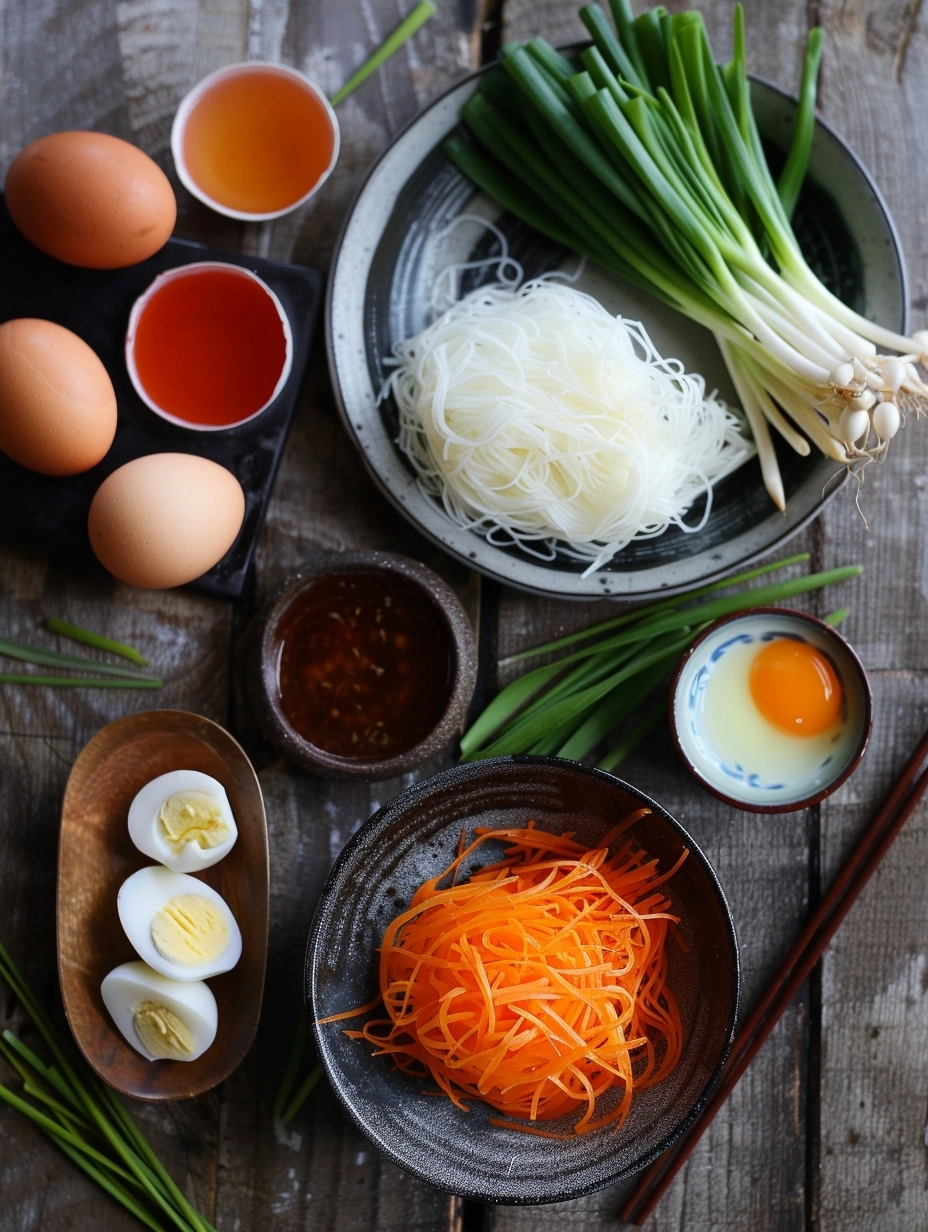
| Ingredient | Quantity | Notes with Alternatives |
|---|---|---|
| Rice noodles (dried) | 8 oz | Use pad thai rice noodles or vermicelli. Fresh rice noodles work but need shorter cooking time. |
| Beef sirloin or chicken breast | 1 lb | Slice thin against the grain. Substitute with shrimp, tofu, or omit for vegetarian option. |
| Bell peppers (mixed colors) | 2 medium | Red, yellow, and orange add visual appeal. Green peppers work but taste slightly bitter. |
| Broccoli florets | 2 cups | Cut into bite-sized pieces. Substitute with snap peas, carrots, or green beans. |
| Garlic cloves (minced) | 4 cloves | Fresh is best. Use 1 teaspoon garlic powder if fresh unavailable. |
| Fresh ginger (minced) | 1 tablespoon | Adds warming spice. Omit if sensitive; substitute with 1/2 teaspoon ground ginger. |
| Soy sauce | 3 tablespoons | Use low-sodium variety to control salt. Tamari works for gluten-free needs. |
| Oyster sauce | 2 tablespoons | Provides umami depth. Vegetarian oyster sauce available for plant-based cooking. |
| Rice vinegar | 1 tablespoon | Adds brightness and balance. White vinegar works but tastes sharper. |
| Sesame oil (toasted) | 2 teaspoons | Drizzle at the end for best flavor. Never cook with high heat—it burns easily. |
| Vegetable oil | 3 tablespoons | Use high-heat oil like canola or peanut. Coconut oil works but adds distinct flavor. |
| Green onions (sliced) | 3 stalks | Use both white and green parts. Fresh herbs add final brightness to your dish. |
| Sesame seeds | 2 tablespoons | Optional garnish for crunch and visual appeal. Toast lightly before serving. |
| Water or vegetable broth | 1/2 cup | Adjusts sauce consistency. Use broth for deeper flavor development. |
Chef Tips for Perfect Results
- Soak your noodles properly: Soak dried rice noodles in room temperature water for 30-40 minutes until they bend without cracking but remain slightly firm. This prevents them from turning into mush when you stir fry. Some cooks boil them instead, but soaking gives you better texture control and prevents overcooking.
- Slice your protein against the grain: This technique cuts through muscle fibers, making your beef or chicken incredibly tender in the final dish. Partially freezing meat for 15-20 minutes makes slicing cleaner and easier without damaging the texture.
- Prepare all ingredients before you start cooking: Rice noodles stir fry happens fast once your wok heats up. Having everything minced, sliced, and ready eliminates the frustration of searching for ingredients while your pan smokes. Chefs call this “mise en place,” and it’s the real secret behind restaurant-quality results.
- Don’t crowd your pan: Overcrowding drops the temperature and creates steaming instead of searing. Cook protein in batches if needed, then remove it before adding vegetables. This ensures each ingredient gets the attention it needs for proper caramelization.
- Finish with sesame oil, not during cooking: Sesame oil has a low smoke point and burns at high temperatures, losing its nutty flavor. Drizzle it in the final 30 seconds of cooking or right after you remove the pan from heat for maximum aroma and taste.
- Taste and adjust your sauce: Everyone’s salt preference differs, and soy sauce brands vary in intensity. Start with less sauce than you think you need, taste, then add more. This prevents oversalting your rice noodles stir fry and keeps the balance perfect for your palate.
Step-by-Step Instructions
Preparation Phase
- Soak 8 oz dried rice noodles in room temperature water for 30-40 minutes until they bend without cracking but still feel slightly firm to the touch.
- Slice 1 lb beef sirloin against the grain into thin strips approximately 1/4 inch thick for optimal tenderness.
- Mince 4 garlic cloves and 1 tablespoon fresh ginger into small, uniform pieces that distribute evenly throughout your dish.
- Cut 2 medium bell peppers into bite-sized chunks and chop 2 cups broccoli florets into pieces roughly the same size as your peppers.
- Slice 3 green onions into thin rounds, separating white and green parts for timing purposes during cooking.
- Mix together 3 tablespoons soy sauce, 2 tablespoons oyster sauce, 1 tablespoon rice vinegar, and 1/2 cup water in a small bowl to create your sauce base.
Cooking Phase
- Heat a large wok or skillet over high heat until you see a light shimmer across the surface and a drop of water immediately evaporates on contact.
- Add 1 tablespoon vegetable oil to your preheated wok, swirling quickly to coat the entire surface evenly.
- Add your sliced beef in a single layer and let it sit undisturbed for 1-2 minutes until it develops a golden-brown crust on one side.
- Stir the beef occasionally for another 2-3 minutes until mostly cooked through but still slightly pink in the center, then transfer to a clean plate.
- Pour 1 tablespoon fresh oil into your wok and add minced garlic and ginger, stirring constantly for about 30 seconds until fragrant.
- Add bell peppers and broccoli to your wok, stirring continuously for 4-5 minutes until they’re tender-crisp with slight browning on the edges.
- Drain your soaked rice noodles and add them directly to the wok along with your sauce mixture, breaking up any noodle clumps as they warm.
- Toss everything together gently for 2-3 minutes, ensuring the sauce coats every noodle and the noodles don’t stick together in clumps.
- Return your cooked beef to the wok along with the white parts of your green onions, stirring for 1 minute to combine everything evenly.
- Remove from heat and drizzle 2 teaspoons sesame oil across the top, then sprinkle with green onion tops and 2 tablespoons sesame seeds if desired.
Finishing Phase
- Transfer your rice noodles stir fry to serving plates immediately while the aroma is strongest and the noodles still hold their perfect texture.
- Taste a small bite and add more soy sauce or rice vinegar if you prefer adjustments before serving to your family or guests.
Common Mistakes to Avoid
Mistake 1: Cooking noodles until they’re mushy
Many home cooks boil their rice noodles for the full package time, which turns them into soft paste that falls apart when you stir fry. The problem happens because noodles continue cooking after you remove them from heat. Fix this by soaking rather than boiling, or by boiling for only 5-7 minutes instead of the full time listed on the package. Your rice noodles stir fry should have slight firmness when you bite into it.
Mistake 2: Adding all sauce at once without tasting
Different soy sauce brands have vastly different salt concentrations, and this makes your final dish either oversalted or underseasoned. Add your sauce mixture gradually, taste after each addition, and adjust with water if you overshoot the salt level. This gives you control over the final flavor profile rather than being locked into whatever proportions you used initially.
Mistake 3: Not preheating your wok or skillet sufficiently
A lukewarm pan creates steamed vegetables and rubbery noodles instead of the beautiful caramelized texture you’re after. Your wok needs to be hot enough that water droplets immediately bead up and dance across the surface. This high heat seals the exterior of your proteins and vegetables while keeping the insides tender, which is the real secret behind restaurant-quality results.
Mistake 4: Crowding your pan and cooking everything simultaneously
When you throw beef, vegetables, and noodles into a crowded pan all at once, the temperature drops dramatically. This causes steaming rather than searing, leaving you with gray meat and soft vegetables. Cook your beef first and set it aside, then cook vegetables, then combine everything with noodles and sauce. This sequential approach ensures proper texture development in each component.
Mistake 5: Skipping the sesame oil or cooking with it at high heat
Sesame oil burns at high temperatures, so using it for cooking destroys its distinctive nutty aroma. However, many people skip it altogether thinking it’s optional—don’t make this mistake. Drizzle it at the very end, and it transforms your rice noodles stir fry from good to genuinely special. Those 2 teaspoons matter far more than their small quantity suggests.
Variations and Substitutions
Rice noodles stir fry adapts brilliantly to whatever ingredients you have on hand. Here’s how different substitutions affect your final dish:
| Original Ingredient | Substitution Option | Impact on Flavor |
|---|---|---|
| Beef sirloin | Chicken breast or shrimp | Slightly milder taste but maintains dish integrity. Shrimp cooks faster (2-3 minutes) than beef. |
| Beef sirloin | Firm tofu (pressed) | Creates vegetarian version with savory umami from pressed tofu’s firm texture. |
| Bell peppers | Snap peas or snow peas | Adds crispness and slightly sweet flavor. Use less cooking time to maintain snap. |
| Broccoli | Carrots, green beans, or bok choy | Changes flavor profile while maintaining vegetable texture. Carrots need 1-2 minutes longer cooking. |
| Oyster sauce | Hoisin sauce or soy sauce only | Slightly sweeter with hoisin. More salty with soy sauce alone, so reduce salt elsewhere. |
| Fresh ginger | 1/2 teaspoon ground ginger | Milder, more subtle spice. Use less than fresh since ground is more concentrated. |
| Sesame oil | Chili oil or garlic oil | Adds heat or deeper garlic notes respectively. Adjust to your spice tolerance. |
| Rice vinegar | Lime juice or rice wine | Lime adds brightness and tropical notes. Rice wine deepens savory complexity. |
| Rice noodles | Egg noodles or wheat noodles | Different texture but maintains dish concept. Wheat noodles carry sauce differently. |
Serving Suggestions and Pairings
Rice noodles stir fry works beautifully as a standalone meal, but pairing it thoughtfully with complementary dishes elevates your dining experience. Serve this main dish alongside steamed jasmine rice if you want extra carbohydrates for heartier appetites. The aromatic rice acts as a subtle backdrop that doesn’t compete with your stir fry’s bold flavors.
For appetizers, consider starting your meal with spring rolls, cucumber salad, or edamame—these light options prepare your palate for the rich umami flavors in your main dish. When you browse Asian appetizer recipes, look for items with contrasting temperatures and textures to your hot stir fry.
Beverages matter more than you might think with rice noodles stir fry. Jasmine tea, iced lemongrass tea, or crisp sparkling water complement the dish better than heavy drinks. These cleanse your palate between bites and prevent the meal from feeling too heavy. For families with kids, apple juice or mango juice pairs wonderfully with the savory-sweet sauce profile.
Serve this dish family-style in a large communal bowl with individual bowls on the side, allowing everyone to portion their own amount. This presentation encourages conversation and feels more casual than plating individually. Garnish the top with additional sesame seeds, fresh cilantro, and sliced green onions right before serving for maximum visual appeal and aroma.
Storage and Reheating
| Method | Duration | Instructions |
|---|---|---|
| Refrigerator storage | 3-4 days maximum | Cool rice noodles stir fry to room temperature, then transfer to an airtight container. Separate any leftover sauce and store separately to prevent noodles from becoming soggy. |
| Freezer storage | 1-2 months | Freeze in portion-sized containers or freezer bags. Separate sauce from noodles and vegetables for best results. Label with date to track freshness. |
| Reheating in wok | 3-5 minutes | Heat wok over medium-high heat, add 1 teaspoon oil, then add your rice noodles stir fry. Stir constantly to heat evenly. Add sauce gradually and adjust seasoning as needed. |
| Reheating in microwave | 2-3 minutes | Place in microwave-safe container, cover loosely with paper towel, and heat at 50% power. Stop halfway through and stir to distribute heat evenly and prevent hard spots. |
| Reheating on stovetop | 4-6 minutes | Add to a skillet over medium heat with 1-2 tablespoons water or broth. Stir frequently until heated through. This method preserves texture better than microwaving. |
Pro tip: Store any remaining sauce separately from your rice noodles stir fry to prevent the noodles from absorbing excess liquid and becoming mushy over time. When you reheat, add fresh sauce or the reserved sauce gradually, tasting as you go to avoid oversalting your dish.
Frequently Asked Questions
Can I make rice noodles stir fry ahead of time for meal prep?
Yes, rice noodles stir fry works excellently for meal prep when you store components separately. Cook your noodles and vegetables, store them in one container, and keep your sauce in another sealed container. Keep protein separate as well since it continues breaking down during storage. This approach maintains quality for 3-4 days and prevents noodles from getting soggy before you eat them.
What’s the best way to keep rice noodles from sticking together during cooking?
Soak your noodles in room temperature water rather than boiling them, which prevents excess starch that causes clumping. During stir frying, gently break apart any noodle clumps with your spatula or wooden spoon as they warm in the sauce. Adding sauce gradually rather than all at once also helps keep noodles separated as they absorb the liquid evenly.
How do I make this dish spicier if I love heat?
Add 1-2 teaspoons sriracha sauce, chili paste, or fresh sliced red chilies to your sauce mixture before cooking. Start with less and taste, then add more if needed since heat compounds during cooking. You can also serve with a bottle of chili sauce on the side so guests control their own spice level according to preference.
Is this recipe naturally gluten-free or do I need substitutions?
Rice noodles are naturally gluten-free, making this dish naturally safe for celiac diets. However, check your soy sauce—most regular brands contain wheat, so buy tamari instead. Oyster sauce sometimes contains wheat too, so verify the label. Once you make these two sauce swaps, your entire rice noodles stir fry becomes completely gluten-free.
What vegetables work best in rice noodles stir fry if I hate broccoli?
Try snap peas, snow peas, carrots, bok choy, green beans, mushrooms, or water chestnuts instead. Each adds different textures and flavors to your dish. The only rule is cut everything roughly the same size so cooking times remain consistent. Harder vegetables like carrots need a minute or two longer than tender vegetables like snap peas.
Conclusion
Rice noodles stir fry deserves a permanent spot in your weekly rotation because it delivers restaurant-quality results in under 30 minutes using ingredients you probably have already. Master the high-heat technique, prep your ingredients beforehand, and this dish becomes second nature. The savory-umami sauce combined with tender noodles and crisp vegetables creates a meal that satisfies everyone at your table.
More Asian recipes: Explore our collection of authentic Asian stir fry recipes for additional inspiration when you’re ready to expand your cooking repertoire.
Follow us on Pinterest: Save your favorite recipes and discover new ideas by following us on Pinterest for daily food inspiration.