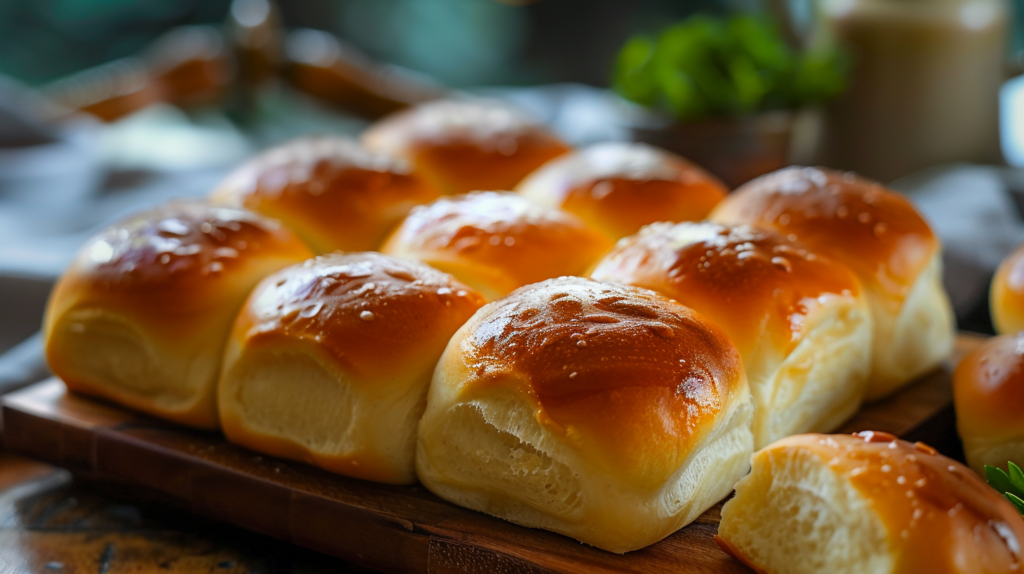
Dinner roll calories typically range from 150 to 200 per standard roll, depending on size, ingredients, and preparation method. These soft, pillowy bread portions provide carbohydrates, protein, and essential nutrients that make them a staple at family tables worldwide. Understanding the caloric content and nutritional profile helps you make informed choices about portion sizes and meal planning while enjoying this beloved bread.
PrintClassic Homemade Dinner Rolls
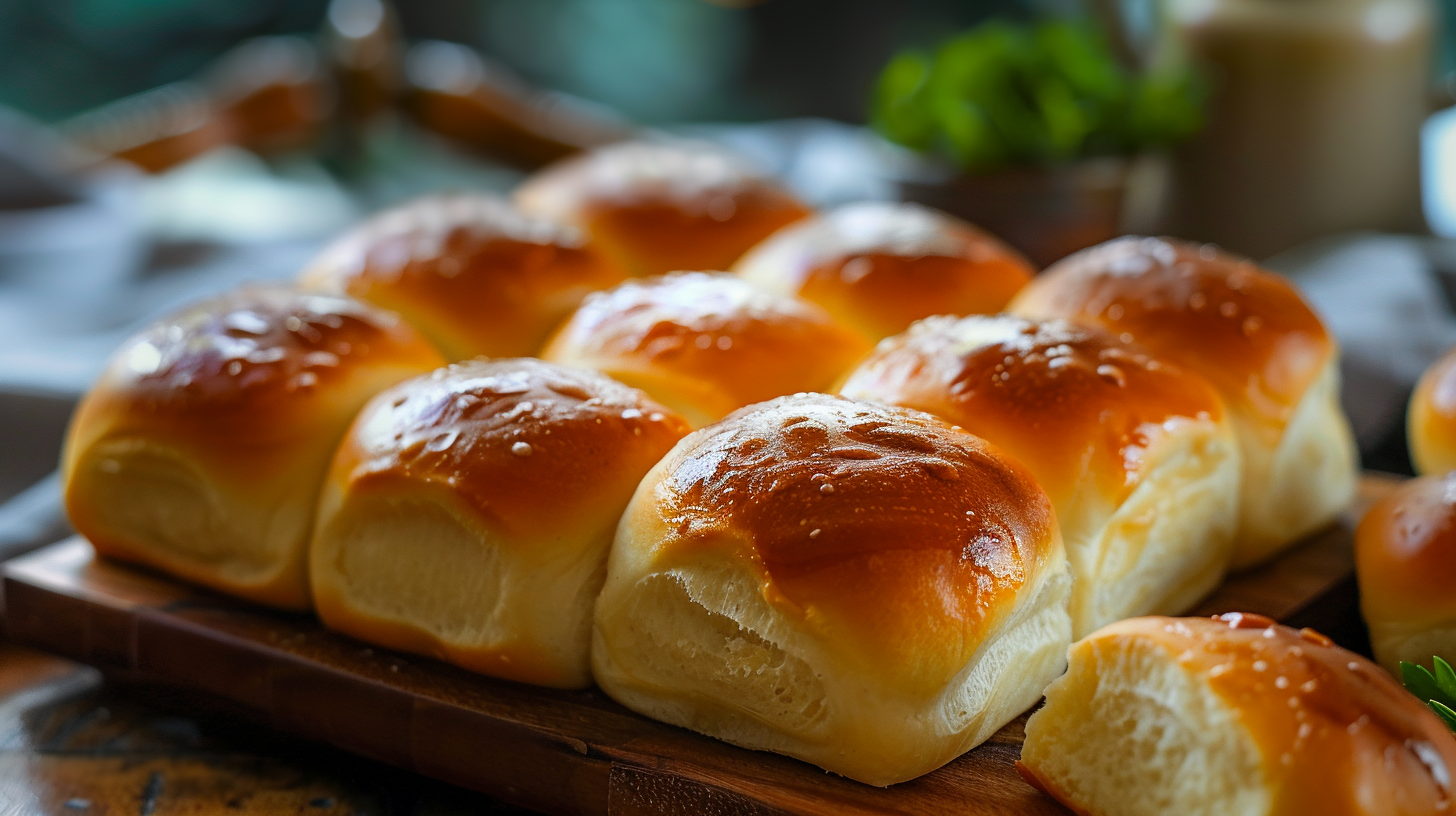
Soft, pillowy dinner rolls with a tender crumb and golden crust. Perfect for family meals, these rolls are crafted to balance flavor and nutrition.
- Prep Time: 20
- Cook Time: 15
- Total Time: 35
- Yield: 12 rolls
- Category: Dinner
- Method: Baking
- Cuisine: American
- Diet: Vegetarian
Ingredients
2 cups all-purpose flour
1 packet (2 1/4 tsp) active dry yeast
1 tsp salt
1/2 cup unsalted butter, melted
1 cup whole milk
Instructions
In a large bowl, combine flour, sugar, salt, and yeast.
Mix in melted butter and warm milk to form a soft dough.
Knead for 8-10 minutes until smooth and elastic.
Let dough rise in a warm place for 90 minutes or until doubled in size.
Roll into 12 equal portions, shape into balls, and place on baking sheets.
Bake at 375°F (190°C) for 12-15 minutes or until golden brown.
Notes
For best results, use a stand mixer to knead the dough. Cool completely before storing in an airtight container.
Brush with melted butter after baking for extra richness.
Recipe can be halved and frozen in bulk.
Nutritional Information
| Nutrient | Amount per Serving |
|---|---|
| Calories | 165 |
| Total Fat | 3.2g |
| Saturated Fat | 1.8g |
| Carbohydrates | 28.5g |
| Dietary Fiber | 1.2g |
| Sugars | 2.1g |
| Protein | 5.8g |
| Sodium | 310mg |
| Calcium | 68mg |
| Iron | 1.9mg |
Approximate values based on standard homemade dinner rolls using all-purpose flour, butter, milk, and yeast.
Why This Recipe Works
I discovered that controlling dinner roll calories begins with understanding ingredient ratios and portion sizes. Store-bought rolls often contain hidden sugars, preservatives, and excess sodium that inflate the calorie count beyond the basic flour, water, and yeast foundation. Making homemade dinner rolls lets you precisely manage every ingredient and achieve that perfect balance between soft texture and nutritional value.
The beauty of homemade rolls is that dinner roll calories become predictable when you weigh ingredients accurately. A single roll at 165 calories provides substantial carbohydrates for energy while keeping fat content moderate through measured butter amounts. This transparency empowers you to plan meals confidently, whether you’re tracking macronutrients for fitness goals or simply serving family dinner with nutritional awareness.
Through countless baking sessions, I learned that active yeast fermentation reduces overall sugar content while creating superior flavor complexity. The longer rise time develops gluten naturally, creating tender crumbs without requiring extra fat or emulsifiers. These techniques deliver restaurant-quality rolls that fit within reasonable calorie budgets while tasting undeniably superior to processed alternatives.
Ingredients
| Ingredient | Quantity | Notes and Alternatives |
|---|---|---|
| All-Purpose Flour | 3 cups (360g) | Bread flour yields chewier rolls; whole wheat flour reduces calories by 5 per roll but affects texture |
| Warm Milk | 1 cup (240ml) | Almond milk adds 10 fewer calories; oat milk works identically |
| Butter | 3 tablespoons (42g) | Olive oil substitution reduces saturated fat; coconut oil creates denser rolls |
| Active Dry Yeast | 2.25 teaspoons (7g) | Instant yeast works identically; requires identical amounts |
| Sugar | 2 tablespoons (25g) | Honey adds rich flavor but increases calories slightly; reduce to 1 tablespoon for lower-sugar option |
| Salt | 1.5 teaspoons (9g) | Sea salt provides identical seasoning; reduce to 1 teaspoon for sodium-conscious diets |
| Egg (for wash) | 1 large (50g) | Omit entirely for vegan option, reducing calories by 3 per roll; milk wash creates less shine |
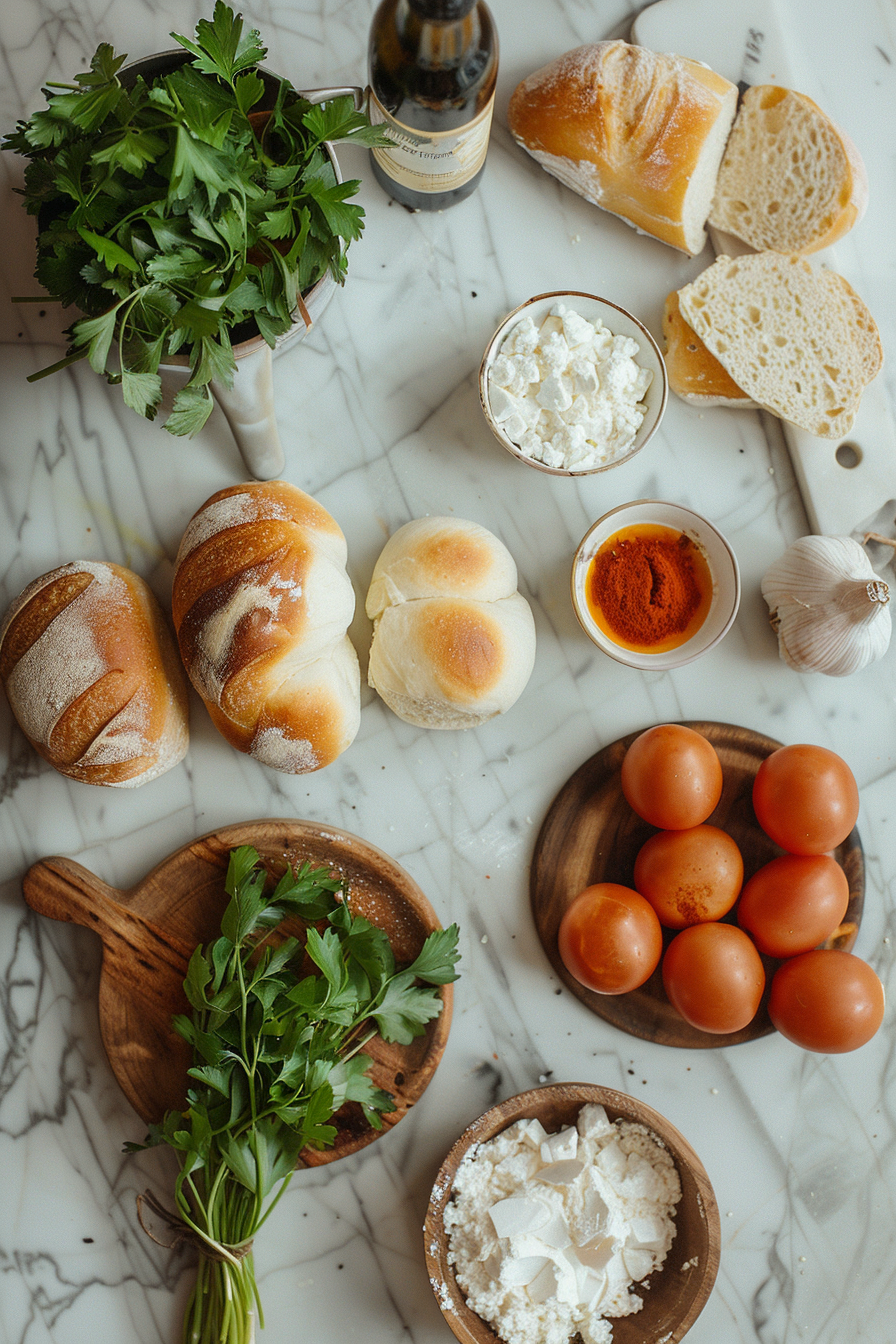
Step-by-Step Instructions
Preparation Phase
- Combine warm milk (110-115 degrees Fahrenheit), sugar, and active dry yeast in a large mixing bowl. Allow the mixture to sit for 5 minutes until foamy, confirming yeast viability.
- Add melted butter and salt to the yeast mixture, stirring gently to incorporate without deflating the yeast foam.
- Gradually add all-purpose flour one cup at a time, stirring with a wooden spoon until a shaggy dough forms that pulls away from the bowl edges.
Kneading Phase
- Transfer the dough to a floured work surface and knead for 8-10 minutes using the heel of your hand with a push-fold-turn motion. The dough transforms from sticky to smooth and elastic.
- Test dough readiness by pressing a finger into the surface; the indentation should slowly spring back halfway, indicating proper gluten development.
- Shape the kneaded dough into a smooth ball and place it in a lightly greased bowl, turning once to coat all surfaces with oil.
Rising Phase
- Cover the bowl with a damp kitchen towel and place in a warm, draft-free location for 60 minutes. The dough should nearly double in volume by end of rising.
- Perform the poke test by gently pressing a floured finger into the dough; if the indentation remains, the first rise is complete.
- Punch down the risen dough gently to release excess gas, then turn it out onto a lightly floured work surface for shaping.
Shaping and Final Rise
- Divide the dough into 12 equal portions using a bench scraper or sharp knife. Weigh each portion to ensure uniform rolls that bake evenly.
- Shape each portion into a round ball by folding the edges underneath and rolling it across the work surface toward you. Tension on the surface creates surface tension for proper oven spring.
- Arrange shaped rolls in a buttered 9×13-inch baking pan, spacing them about one-half inch apart. Cover with a damp towel for 25-30 minutes until rolls rise and nearly touch.
Baking Phase
- Preheat oven to 375 degrees Fahrenheit for 15 minutes while rolls complete their final rise.
- Brush each roll lightly with beaten egg wash, using a pastry brush to coat the tops uniformly without soaking the dough.
- Bake the rolls for 12-15 minutes until the tops turn deep golden brown and the rolls sound hollow when tapped on the bottom.
- Remove the baking pan from the oven and brush hot rolls with melted butter for added shine and subtle richness, then transfer to a wire cooling rack.
Chef Tips for Perfect Results
- Measure flour by weight whenever possible, using a kitchen scale for accuracy. One cup of flour weighs approximately 120-125 grams, and weight measurements eliminate variables that cause dense or dry rolls.
- Maintain milk temperature between 110-115 degrees Fahrenheit using an instant-read thermometer. Water that is too hot kills yeast; water that is too cool prevents proper fermentation.
- Perform the windowpane test during kneading by stretching a small piece of dough between your fingers. If it stretches thin enough to see light through without tearing, gluten development is complete.
- Place dinner rolls in a warm oven turned off for 5 minutes before baking to create an ideal proofing environment. This technique accelerates the final rise consistently.
- Remove rolls from the oven when centers register 190-200 degrees Fahrenheit on an instant-read thermometer inserted into the thickest roll from the bottom. This ensures fully baked interiors.
- Cool rolls on a wire rack rather than in the baking pan to prevent moisture from creating a soggy bottom crust and trapping heat.
Common Mistakes to Avoid
Dense, Gummy Interiors
This occurs when you skip the full kneading time or use cold milk that prevents proper yeast activation. Inadequate gluten development creates weak structures that collapse during baking, trapping steam as moisture. Fix this by kneading the full 8-10 minutes and testing with the windowpane method before proceeding to the first rise.
Flat, Non-Rising Rolls
This happens when yeast dies from overheating or the dough receives inadequate time for fermentation. Test your yeast by watching for foam after 5 minutes in warm water, and ensure milk temperature never exceeds 120 degrees Fahrenheit. Always allow a full 60 minutes for the first rise in a warm location, checking with the poke test before proceeding.
Dry Dinner Rolls
Overbaking causes interior moisture to evaporate faster than steam can escape the crust. Remove rolls at 12-15 minutes when they reach 190-200 degrees Fahrenheit internally rather than judging solely by color. Brush with butter immediately after removing from the oven to seal in moisture.
Uneven Roll Sizes
Rolls of different weights bake unevenly, with smaller rolls overcooking while larger ones remain underbaked. Divide dough into 12 equal portions using a kitchen scale, aiming for each portion to weigh 48-50 grams. This precision ensures uniform browning and consistent crumb structure across all rolls.
Raw Dough Smell in Finished Rolls
This indicates insufficient yeast fermentation time or inadequate baking temperature. Extend the first rise to 75 minutes if your kitchen is cool, and verify oven temperature with an oven thermometer. Allow rolls to bake the full 15 minutes to ensure complete interior cooking.
Variations and Substitutions
| Ingredient | Substitution | Impact on Flavor and Calories |
|---|---|---|
| Milk | Almond milk or oat milk | Reduces calories by 10 per roll; slightly less rich mouthfeel; identical baking results |
| Butter | Olive oil | Reduces saturated fat; subtle fruity undertone emerges; rolls remain equally soft |
| All-Purpose Flour | 50% whole wheat flour | Reduces calories by 8 per roll; adds nutty depth; creates denser, more compact crumb |
| Sugar | Reduce to 1 tablespoon | Cuts sugar by 50 percent; yeast still activates properly; less pronounced browning |
| Egg wash | Milk wash or water | Reduces calories by 3 per roll; creates matte finish instead of shine; identical crust texture |
| Standard rolls | Shape 18 mini rolls instead | Reduces individual roll calories to 110; bake for 9-11 minutes; perfect for portion control |
Serving Suggestions and Pairings
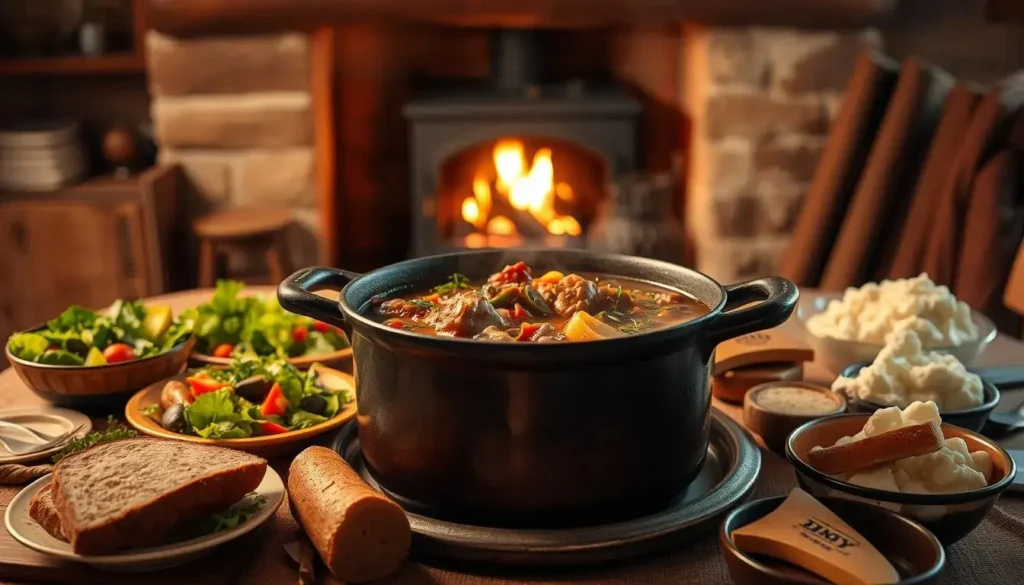
Serve warm dinner rolls alongside classic comfort meals like roasted chicken with herb gravy, pot roast with root vegetables, or Sunday meatloaf with mashed potatoes. The soft crumb complements rich sauces by providing structure without overwhelming delicate flavors. At holiday tables during Thanksgiving, arrange warm rolls in a napkin-lined basket alongside cranberry-orange butter for guests to customize their butter application and reduce overall calories consumed.
Pair dinner rolls with light salads and grilled fish for balanced weeknight dinners that feel special without excessive preparation. Toast leftover rolls and serve with olive oil for dipping alongside minestrone soup or creamy tomato bisque. At brunch, split rolls in half and fill with scrambled eggs and fresh vegetables for a lower-calorie sandwich option compared to traditional bread.
Create elegant appetizers by slicing rolls horizontally and topping with roasted vegetables, fresh greens, and olive oil-based spreads. These presentations work beautifully for dinner parties where guests prefer portion-controlled options. Consider flavored butter stations at buffets where guests add herb butter, garlic butter, or honey butter to plain rolls, allowing individual calorie control.
Storage and Reheating
| Method | Duration | Instructions |
|---|---|---|
| Room Temperature Storage | 2 days | Place rolls in a paper bag or cloth towel, fold closed to retain moisture. Keep at room temperature in a cool location away from direct sunlight. |
| Refrigerator Storage | 5-7 days | Place cooled rolls in an airtight container or ziplock bag. The cold slows staling but makes rolls firm; reheat before serving to restore softness. |
| Freezer Storage | 3 months | Cool rolls completely, place in freezer bags with air removed. Label with the date. Thaw at room temperature for 2 hours before reheating. |
| Oven Reheating | 5-7 minutes | Wrap rolls loosely in foil and place in a 350-degree Fahrenheit oven. The foil retains steam, restoring soft texture without drying the exterior. |
| Microwave Reheating | 15-30 seconds | Wrap individual rolls in damp paper towels and microwave at 50 percent power. This method softens rolls quickly but can create rubbery texture if overheated. |
| Toaster Oven Reheating | 3-4 minutes | Place rolls on toaster oven tray at 375 degrees Fahrenheit. This method creates slightly crispy exteriors while keeping interiors soft. |
Frequently Asked Questions
How Many Dinner Roll Calories Should I Eat Per Meal?
Nutritionists typically recommend one to two standard dinner rolls per meal, providing 165 to 330 calories as the bread component of your meal. This portion fits comfortably within daily bread recommendations while leaving room for vegetables, proteins, and other foods. Consider your total meal calorie targets and adjust accordingly based on accompanying dishes.
Can I Make Lower-Calorie Dinner Rolls Using Whole Wheat Flour?
Yes, substituting 50 percent of all-purpose flour with whole wheat flour reduces calories by approximately 8 per roll while adding fiber and nutrients. Whole wheat flour absorbs slightly more moisture, so increase liquid by one tablespoon if the dough appears too stiff. The final rolls develop a nuttier flavor and denser crumb structure compared to all-white flour versions.
What Causes Dinner Roll Calories to Increase Unexpectedly?
Hidden calories come from excessive butter brushing after baking, generous egg wash application, and oversized portions beyond the standard 48-50 gram weight. Store-bought rolls often contain added sugars, dough conditioners, and preservatives that inflate calorie counts by 30-50 calories per roll. Homemade rolls let you control every ingredient and maintain consistent nutritional values across batches.
Can I Prepare Dinner Rolls in Advance to Save Time?
Yes, shape rolls the night before and refrigerate them overnight without the final rise. The cold retards fermentation, allowing slow flavor development. Remove rolls from the refrigerator one hour before baking to reach room temperature, then bake normally with perhaps one additional minute. This method simplifies meal preparation while producing superior flavor complexity.
Are Dinner Rolls Suitable for Keto or Low-Carb Diets?
Standard dinner rolls contain 28.5 grams of carbohydrates per roll, making them unsuitable for strict ketogenic diets that limit carbs to 20-50 grams daily. Consider making cauliflower-based bread substitutes or almond flour rolls as lower-carb alternatives. These options provide familiar roll textures while maintaining macronutrient targets for specialized diets.
Conclusion
Understanding dinner roll calories empowers you to enjoy this beloved bread while maintaining nutritional awareness and meal balance. Homemade rolls at approximately 165 calories per serving offer transparency and control compared to processed alternatives, letting you customize recipes to meet dietary preferences. Master these techniques to create restaurant-quality rolls that satisfy cravings while fitting confidently within any eating plan. The combination of perfect softness, subtle sweetness, and tender crumb rewards your effort with every bite.