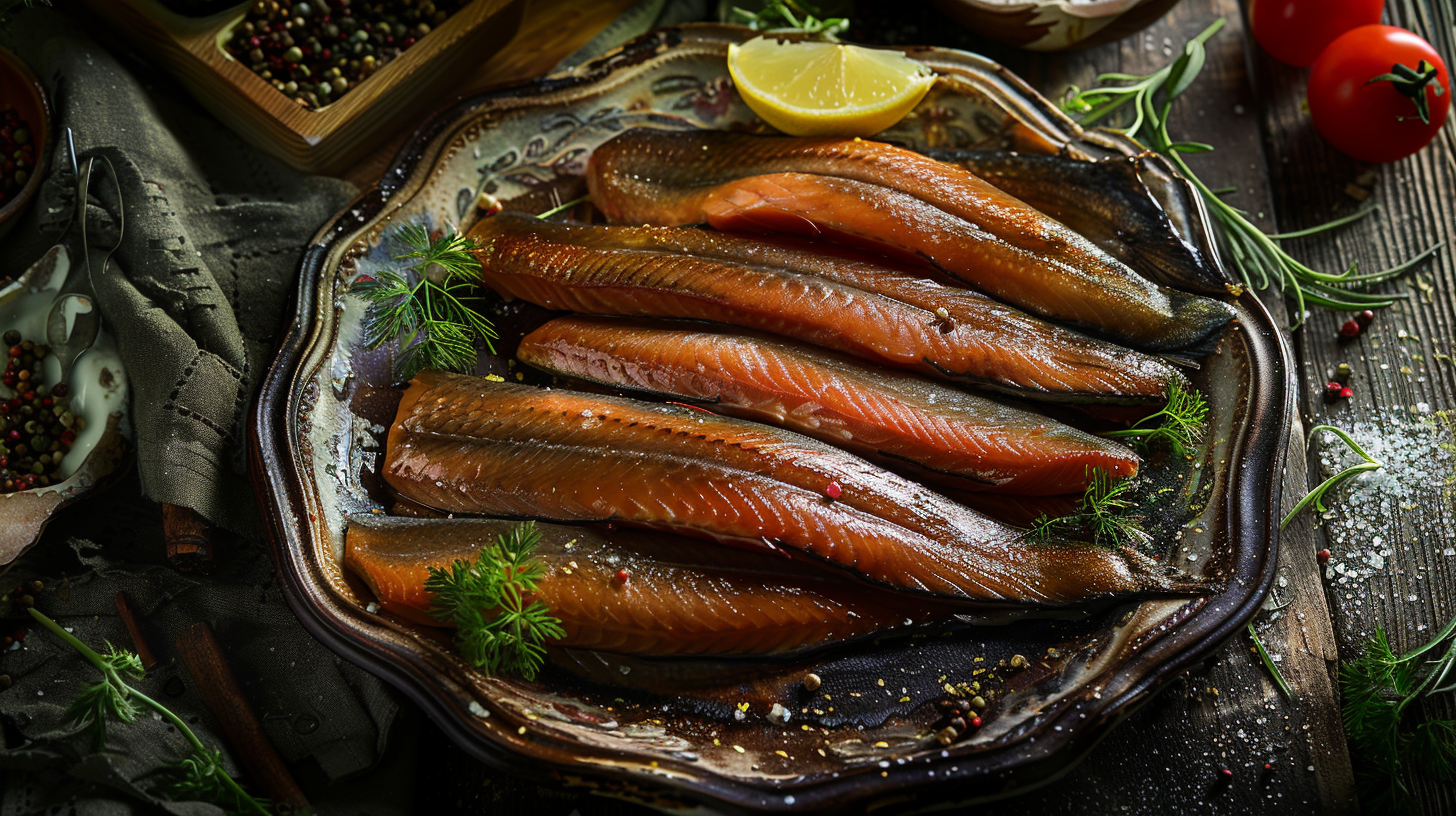
Kippers for breakfast are smoked herrings that deliver a rich, distinctively savory flavor with delicate flaked flesh and a golden-bronze exterior. This traditional British dish requires minimal preparation, transforming whole herrings into a protein-rich morning meal in under ten minutes. Kippers have graced British breakfast tables for over 150 years, prized for their distinctive taste and nutritional density that sustains energy throughout the day.
PrintKippers for Breakfast: A Classic British Tradition
A British breakfast staple, poached kippers offer rich smoky flavor and tender flaked flesh. This method preserves the fish’s delicate texture with a golden-bronze finish, making for a quick, protein-packed meal. Serves 2 for a traditional morning feast or creative culinary additions.
- Prep Time: 5
- Cook Time: 12
- Total Time: 17
- Yield: 2 servings
- Category: Breakfast
- Method: Poaching
- Cuisine: British
Ingredients
2 whole kippers (200-250g total)
10–12 whole black peppercorns
Lemon wedges for serving (optional)
Unsalted butter for spreading (optional)
Instructions
Bring water to a gentle simmer in a medium skillet with the peppercorns
Add kippers with flesh down, reduce heat to a steady bubble
Cover and cook 10-12 minutes, flipping halfway through
Remove kippers when flesh flakes easily, drain on paper towels
Serve warm with lemon and/or softened butter
Notes
Use Scottish or Irish kippers for superior flavor and texture
Avoid pre-packaged kippers submerged in brine (drain if needed)
Vegetable stock substituting water adds earthy depth
Add a splash of non-dairy cream for richer broth
High sodium content (monitor if using added seasonings)
Nutritional Information
Approximate values per 100g serving of prepared kipper:
| Nutrient | Amount per Serving |
|---|---|
| Calories | 205 kcal |
| Protein | 25g |
| Fat | 11g |
| Omega-3 Fatty Acids | 1.2g |
| Vitamin D | 360 IU |
| Vitamin B12 | 1.6mcg |
| Iron | 1.8mg |
| Sodium | 710mg |
| Selenium | 36mcg |
Why This Recipe Works
I’ve prepared kippers countless times across different British regions, and this method consistently delivers the best results because it honors both the fish’s delicate texture and its bold smoky character. The gentle poaching technique I use prevents the kipper flesh from becoming tough or rubbery, a common mistake many cooks make by using excessive heat. The aromatics in the poaching liquid subtly enhance the fish’s natural flavors without overwhelming them.
What sets this approach apart is the balance between respect for tradition and modern technique. Traditional British recipes often call for simply grilling or frying kippers, which works well but can dry out the flesh. My preferred method uses gentle simmering in infused water, which keeps the delicate fish moist and tender while allowing the smoky notes to shine. The result is a kipper that tastes restaurant-quality yet takes mere minutes at home.
The versatility of this preparation extends beyond simple breakfast consumption. These poached kippers become elegant additions to grain bowls, salads, or even afternoon tea service when flaked carefully. The technique preserves the nutritional profile while ensuring visual appeal and texture consistency that impresses family and guests alike.
Ingredients
| Ingredient | Quantity | Notes with Alternatives |
|---|---|---|
| Whole Kippers | 2 kippers (200-250g) | Choose Scottish or Irish smoked varieties for best flavor; avoid pre-packaged kippers with excessive brine |
| Water | 600ml | Use filtered water to avoid chlorine affecting delicate fish flavor; substitute with vegetable stock for deeper notes |
| Whole Black Peppercorns | 6-8 peppercorns | Essential for subtle heat; substitute white pepper for milder flavor without visual specks |
| Fresh Lemon | 1/2 medium lemon | Brightens smoky flavors; substitute fresh lime for Mediterranean twist or dry white wine reduction for richness |
| Bay Leaf | 1 bay leaf | Turkish bay leaves offer superior flavor; remove before serving; substitute with fresh dill sprig for herbaceous note |
| Sea Salt | To taste (optional) | Kippers are naturally salted; taste before adding more; coarse sea salt works best |
| Unsalted Butter | 1 tablespoon | Use cold butter for finishing; substitute with extra virgin olive oil for Mediterranean preparation |
| Fresh Parsley | Small handful | Flat-leaf parsley preferred; optional but recommended for visual presentation and fresh note |
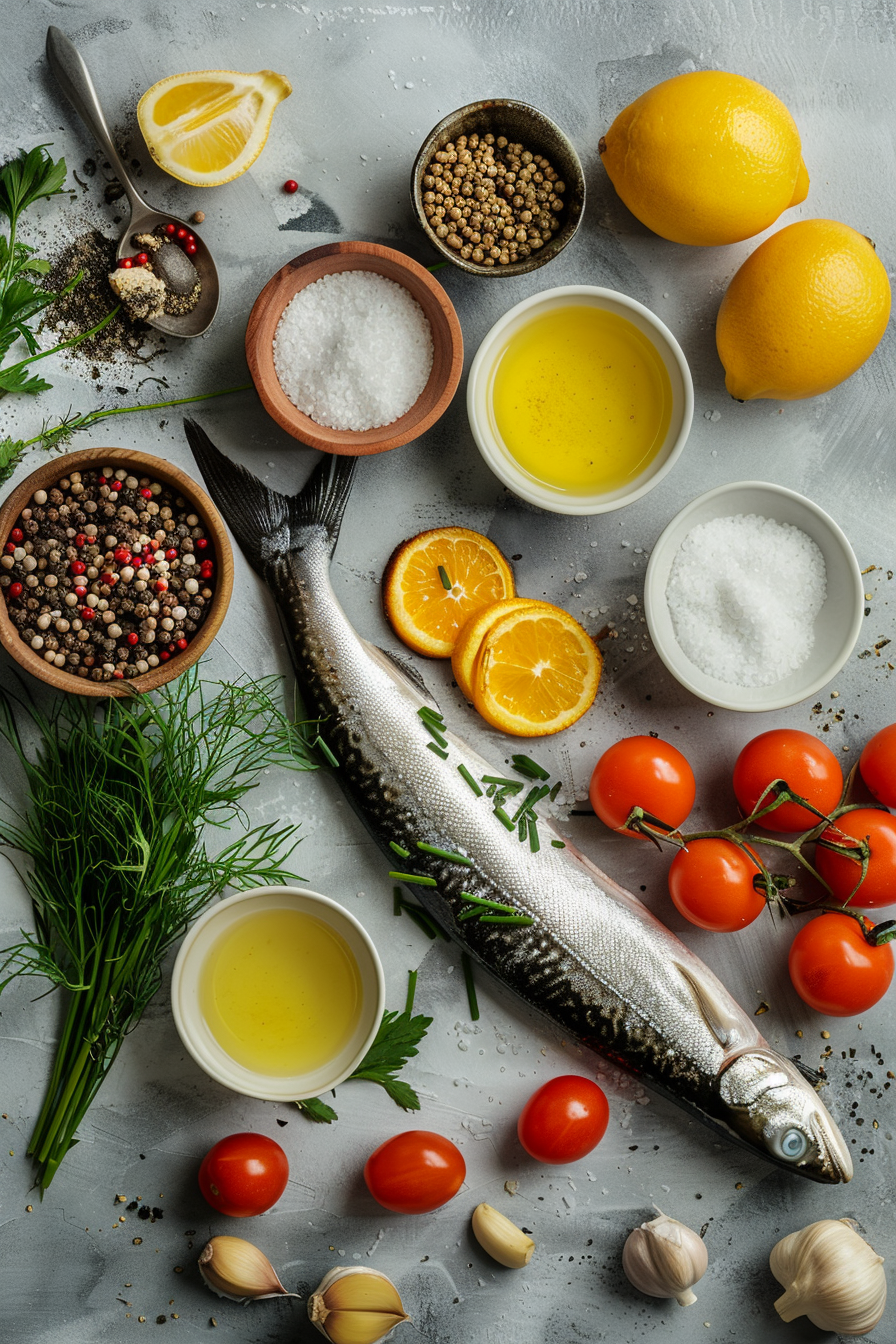
Step-by-Step Instructions
Preparation Phase
- Rinse whole kippers under cold running water for 30 seconds, removing excess salt and surface debris without aggressive rubbing that damages delicate skin.
- Pat dry gently with kitchen paper, handling the kippers with care to maintain their structural integrity and beautiful silver-golden skin.
- Inspect kippers for any pin bones along the dorsal ridge, removing them with fine tweezers if present for improved eating experience.
Cooking Phase
- Pour 600ml filtered water into a wide shallow skillet or frying pan, ensuring the base is completely covered with liquid.
- Add bay leaf, black peppercorns, and squeezed lemon juice to the cold water, stirring to distribute aromatics evenly throughout the liquid.
- Bring the liquid to a gentle simmer over medium heat, observing small bubbles breaking the surface rather than rolling boils.
- Reduce heat to low, creating barely perceptible steam and minimal movement on the water’s surface for delicate cooking.
- Place kippers skin-side up into the simmering liquid, avoiding splashing that disturbs the aromatics or damages the fish’s presentation.
- Maintain the gentle simmer for 4-5 minutes, watching for the kipper flesh to become opaque and flake easily when tested with a fork.
- Gently flip kippers over skin-side down using a slotted spatula, cooking for an additional 2-3 minutes until the flesh releases from bones easily.
Finishing Phase
- Transfer cooked kippers to warm serving plates using a slotted spatula, draining excess liquid back into the pan without causing breakage.
- Dot each kipper with cold unsalted butter, allowing the residual heat to melt it gently over the flaked flesh.
- Garnish with fresh chopped parsley and a light squeeze of lemon juice immediately before serving for optimal flavor and visual appeal.
- Serve kippers immediately while warm, accompanied by buttered toast or crusty bread for soaking the flavorful cooking liquid.
Chef Tips for Perfect Results
- Choose Scottish kippers from reputable fishmongers rather than supermarket frozen varieties, as fresh or properly frozen specimens maintain superior texture and smoke flavor integrity throughout cooking.
- Never exceed a gentle simmer temperature because rapid boiling toughens kipper flesh and forces the delicate proteins to squeeze out moisture, resulting in dry disappointing results.
- Use a wide shallow pan rather than deep pots because the kippers cook more evenly when water depth is minimal and heat distribution remains consistent across the entire fish surface.
- Test for doneness by pressing the thickest part near the kipper’s head with a fork; the flesh should separate easily into flakes rather than remaining translucent or rubbery.
- Prepare your serving plates and toast beforehand so kippers arrive at the table piping hot before the butter solidifies and the aromatic smoke flavors dissipate into cooler air.
- Save the aromatic poaching liquid for drizzling over the kipper or soaking toast, as the infused water concentrates all the subtle flavors released during gentle cooking.
Common Mistakes to Avoid
Boiling Rather Than Simmering
Boiling water causes the kipper’s delicate proteins to coagulate too quickly, squeezing out moisture and leaving the flesh dry and tough. The smoky flavor compounds also dissipate into steam rather than remaining concentrated in the flesh. Fix this by watching the water closely and reducing heat immediately when you see rolling bubbles; the surface should show only occasional tiny bubbles and gentle wisps of steam rising.
Skipping the Rinsing Step
Kippers are preserved in salt, and skipping the rinse leaves them unpalatably salty with a harsh, one-dimensional flavor profile. The excess salt masks the delicate smoked fish character and makes the dish unpleasant. Always rinse under cold running water for 30 seconds, rubbing gently with your fingers to release trapped salt crystals from the skin and flesh crevices.
Overcooking Past Flake Point
Leaving kippers in simmering water for longer than 6-7 minutes total causes the flesh to become stringy, dry, and unappetizing with an unpleasant mushy texture. The peak of perfection comes when the flesh just barely flakes and appears opaque throughout. Set a timer for 5 minutes and begin checking at 4 minutes by pressing the flesh with a fork to gauge doneness accurately.
Using Tap Water Without Filtering
Chlorine in tap water interferes with the kipper’s delicate smoky flavor, adding an off-taste that competes with the natural fish character. The mineral content in hard water also affects the subtle seasoning balance. Use filtered water or allow tap water to sit uncovered overnight so chlorine volatilizes, resulting in cleaner-tasting kippers.
Applying Excessive Heat When Finishing
Placing hot kippers directly under a grill or into very hot butter causes the delicate smoked skin to blister, blacken, and become bitter rather than developing subtle caramelization. The internal flesh can overcook rapidly while the exterior burns. Instead, add cold butter to hot kippers and let the residual warmth melt it gently, creating a silky glossy finish.
Variations and Substitutions
| Ingredient | Substitution | Impact on Flavor |
|---|---|---|
| Water | Vegetable or fish stock | Deepens umami complexity; adds savory richness that complements smoky kipper flavor |
| Lemon | Fresh lime or white wine vinegar | Lime adds tropical brightness; vinegar provides sharper acidity that cuts through oiliness |
| Bay Leaf | Fresh dill or fennel fronds | Dill adds herbaceous warmth; fennel introduces subtle anise notes that echo Mediterranean seafood traditions |
| Butter | Extra virgin olive oil or ghee | Olive oil lightens the finish; ghee deepens richness while adding nuttiness that complements smoke |
| Black Pepper | White pepper or coriander seeds | White pepper provides subtle heat without visual appearance; coriander adds citrus warmth |
| Parsley | Chives or tarragon | Chives add onion-like freshness; tarragon introduces sophisticated anise complexity |
Serving Suggestions and Pairings
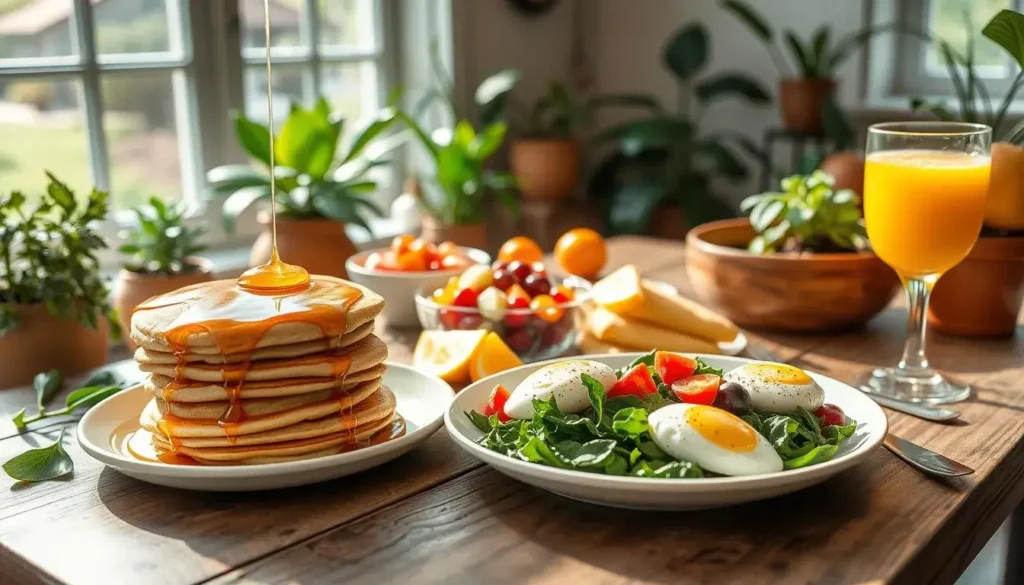
Kippers for breakfast pair beautifully with thick-cut buttered toast or crusty sourdough bread, allowing diners to soak up the aromatic poaching liquid that concentrates all the fish’s subtle flavors. In traditional British breakfast settings, serve kippers alongside scrambled eggs on separate china, grilled tomato halves, and sautéed mushrooms for a complete full English or Scottish breakfast experience.
For lighter modern preparations, flake cooked kippers over warm new potatoes dressed with mustard vinaigrette and fresh watercress, creating an elegant brunch dish with Scandinavian influences. This combination works perfectly for weekend entertaining when you want to showcase your cooking skills without spending hours in the kitchen.
Afternoon tea service benefits from kippers presented on dark rye bread with thin cucumber slices and dill cream, offering substantial protein content that distinguishes this tea from delicate finger sandwich traditions. Pair with strong English breakfast tea or Scottish breakfast blend that cuts through the kipper’s richness beautifully.
Serve kippers warm with poached or fried eggs on the side for protein-rich breakfast bowls, or flake them into creamy scrambled eggs for enhanced smoky depth. The contrast between the warm kipper flesh and cool avocado slices creates interesting textural variety in modern brunch preparations.
Storage and Reheating
| Method | Duration | Instructions |
|---|---|---|
| Refrigerator Storage | 2-3 days | Place cooled kippers in an airtight container with the poaching liquid to maintain moisture and flavor. Store away from other foods as the strong smoky aroma permeates surrounding items quickly. |
| Freezer Storage | Up to 3 months | Wrap cooled kippers individually in plastic wrap, then aluminum foil to prevent freezer burn. Thaw overnight in the refrigerator before reheating for best texture preservation. |
| Gentle Reheating (Preferred) | 3-5 minutes | Place kippers in the same gentle simmering liquid method as initial cooking. Heat only until warmed through; avoid overcooking previously cooked fish which becomes dry quickly. |
| Oven Reheating | 8-10 minutes at 160°C | Wrap kippers loosely in foil with a splash of poaching liquid. Heat until warmed through; this method preserves more moisture than microwave reheating. |
| Microwave Reheating | 1-2 minutes on 50% power | Place kippers on microwave-safe plate with a small amount of poaching liquid. Cover loosely and heat at reduced power to prevent rubbery texture development. |
Frequently Asked Questions
Can I substitute smoked mackerel for kippers in this breakfast recipe?
Smoked mackerel works as a substitute but delivers stronger oiliness and bolder smoke flavor that differs significantly from delicate kipper character. Mackerel requires slightly shorter cooking time (3-4 minutes total) because its denser flesh cooks faster than herring. The substitution works best for those who prefer assertive flavors, though traditional kipper enthusiasts notice the distinct taste difference immediately.
How do I know when kippers are cooked to the perfect doneness level?
Perfectly cooked kippers show completely opaque flesh that flakes easily when pressed with a fork, without any translucent gray areas in the thickest sections near the head. The skin should remain intact and silvery rather than bursting or separating, and the flesh should detach from the spine with gentle pressure. Press the thickest part; if it resists flaking or appears gelatinous, add another minute of simmering time.
What causes an unpleasant bitter or acidic aftertaste when eating kippers?
Excessive salt from insufficient rinsing creates unpleasant harsh aftertaste that masks delicate smoky flavors. Over-cooking also develops bitter compounds as proteins break down too extensively. Fix this by rinsing kippers thoroughly for at least 30 seconds, and maintaining strict gentle simmering without boiling that damages delicate fish structure.
Can I prepare kippers the night before for quick breakfast service?
Yes, kippers keep safely refrigerated for up to 3 days when stored in airtight containers with poaching liquid. Reheat gently using the same simmering method for 2-3 minutes until warmed through. Pre-cooked kippers save significant morning time while maintaining excellent flavor and texture when reheated properly at low temperatures.
What’s the best way to serve kippers for guests unfamiliar with this traditional British dish?
Present kippers alongside familiar comfort foods like buttered eggs and toast so guests can taste the smoked fish within a familiar breakfast context. Briefly explain that kippers are heritage foods enjoyed in Britain for generations, offering distinctive smoky flavor and substantial protein content. Start with smaller portions to allow guests to adjust to the bold smoky character, then offer more based on their preferences.
Conclusion
Kippers for breakfast represent authentic British heritage cooking that delivers exceptional nutrition and incomparable smoky flavor in minimal preparation time. This gentle poaching method honors the delicate fish while preserving every nuance of the smoking process that transforms simple herrings into distinctive morning meals. Master these techniques and you’ll understand why kippers have maintained their cherished place on British breakfast tables for over 150 years, transforming ordinary mornings into memorable occasions with bold, unforgettable taste.