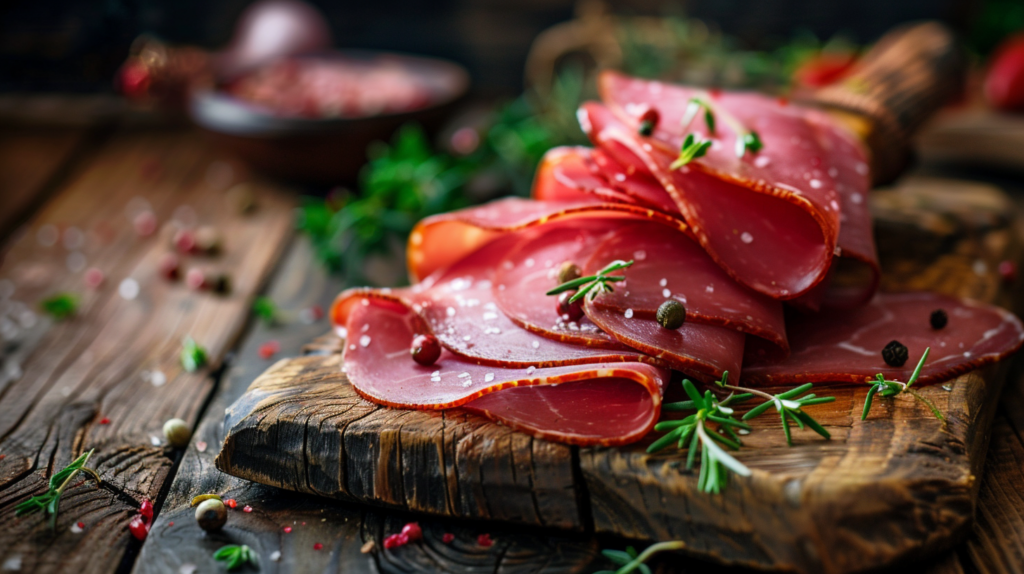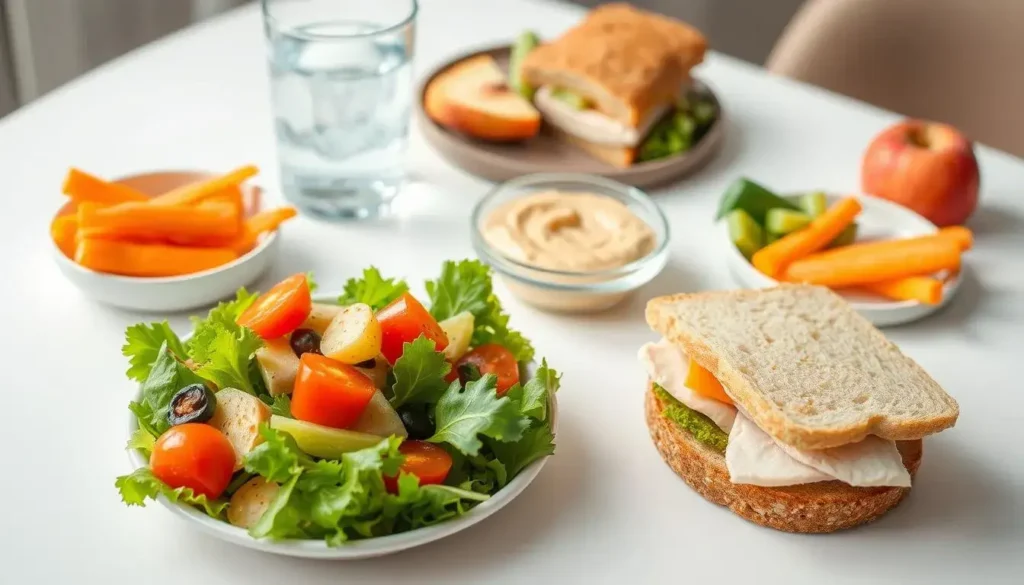
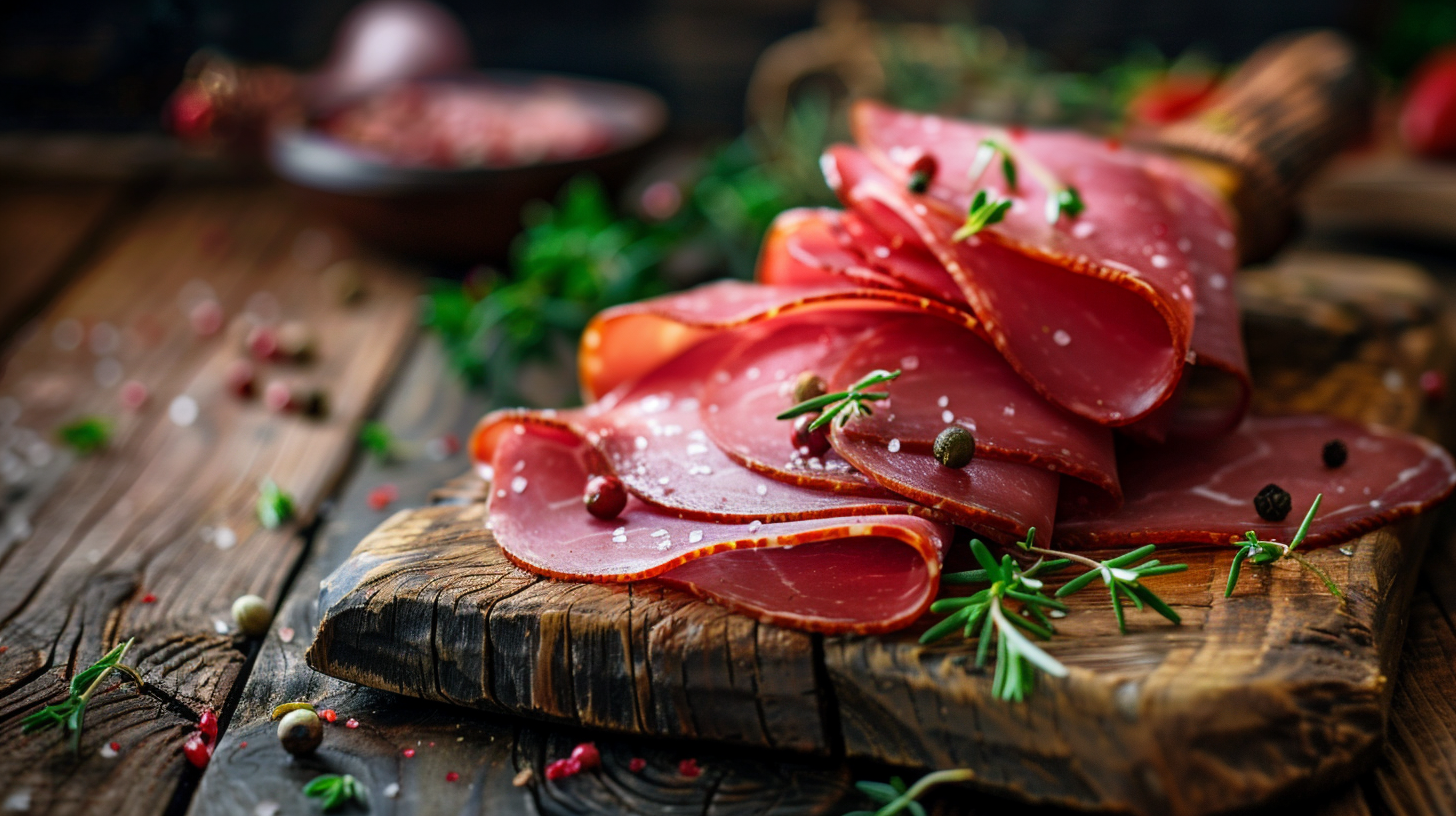
Organic lunch meat represents a cleaner, nitrate-free alternative to conventional processed deli products. These sustainably sourced options come from animals raised without synthetic antibiotics or hormones, offering protein-packed choices for sandwiches, salads, and quick meals. Understanding organic lunch meat varieties helps you make informed decisions about what goes into your family’s lunchbox.
PrintOrganic Seasoned Turkey Deli Slices
A cleaner, homemade take on organic lunch meat using pasture-raised turkey breast and natural seasonings. These nitrate-free slices offer lean protein with a tender texture, perfect for guilt-free sandwiches and salads. Enhanced with smoked paprika and herbs for balanced flavor.
- Prep Time: 10
- Cook Time: 180
- Total Time: 190
- Yield: 8 servings
- Category: Lunch
- Method: Roasting
- Cuisine: American
- Diet: Low Sodium
Ingredients
Organic Turkey Breast
0.5 tsp Organic Black Pepper
0.75 tsp Garlic Powder
0.5 tsp Smoked Paprika
Instructions
Rinse turkey breast and pat dry
Mix sea salt, black pepper, garlic powder, and smoked paprika in a bowl
Evenly coat turkey breast with the seasoning blend
Place on a wire rack and refrigerate overnight
Bake at 275°F (135°C) for 3 hours, turning halfway
Cool completely, then slice thinly
Notes
Use a fresh, never-frozen turkey breast for best results
For a vegetarian option, substitute with organic seitan loaf
Store slices in an airtight container in the fridge for up to 5 days
Nutritional Information
| Nutrient | Amount per Serving (2 oz) |
|---|---|
| Calories | 60-90 |
| Protein | 10-14g |
| Total Fat | 2-5g |
| Saturated Fat | 0.5-2g |
| Sodium | 320-480mg |
| Carbohydrates | 0-1g |
| Iron | 1.2-1.8mg |
| Cholesterol | 25-35mg |
Approximate values. Exact nutrition varies by brand and specific product type.
Why This Recipe Works
I started buying organic lunch meat after learning about harmful nitrates in conventional deli options. The immediate difference struck me: no chemical aftertaste, noticeably tender texture, and guilt-free sandwich prep. My kids actually preferred the cleaner flavor profile over mass-produced alternatives.
Organic lunch meat works because producers prioritize animal welfare and ingredient transparency from start to finish. Pasture-raised turkeys and beef produce meat with superior flavor compounds and better nutritional profiles. When animals aren’t stressed by crowded conditions or pumped with growth hormones, their muscle tissue retains moisture and develops richer taste naturally.
The absence of preservatives like sodium nitrite means your body processes this protein more efficiently. You’re not fighting chemical additives while digesting lunch. I’ve noticed sustained energy levels through afternoon work hours when I choose organic options, compared to the energy crashes from nitrate-heavy deli meats.
Ingredients
| Ingredient | Quantity | Notes & Alternatives |
|---|---|---|
| Organic Turkey Breast | 1 lb | Gold standard for lean protein. Substitute: organic chicken breast for similar nutrition |
| Sea Salt | 1.5 tsp | Mineral-rich, better than table salt. Alternative: kosher salt, same measurement |
| Organic Black Pepper | 0.5 tsp | Freshly ground preferred. Use pre-ground if convenient |
| Garlic Powder | 0.75 tsp | Must be organic and salt-free. Alternative: fresh minced garlic (2 cloves) |
| Paprika (Smoked) | 0.5 tsp | Adds depth without heat. Alternative: regular paprika, same measurement |
| Organic Thyme | 0.5 tsp | Dried works perfectly. Alternative: rosemary (reduce to 0.25 tsp due to strength) |
| Celery Juice Powder | 1 tsp | Natural preservative alternative to nitrates. Alternative: skip if unavailable |
| Filtered Water | 2 tbsp | Helps bind mixture. Use chlorine-free if available |
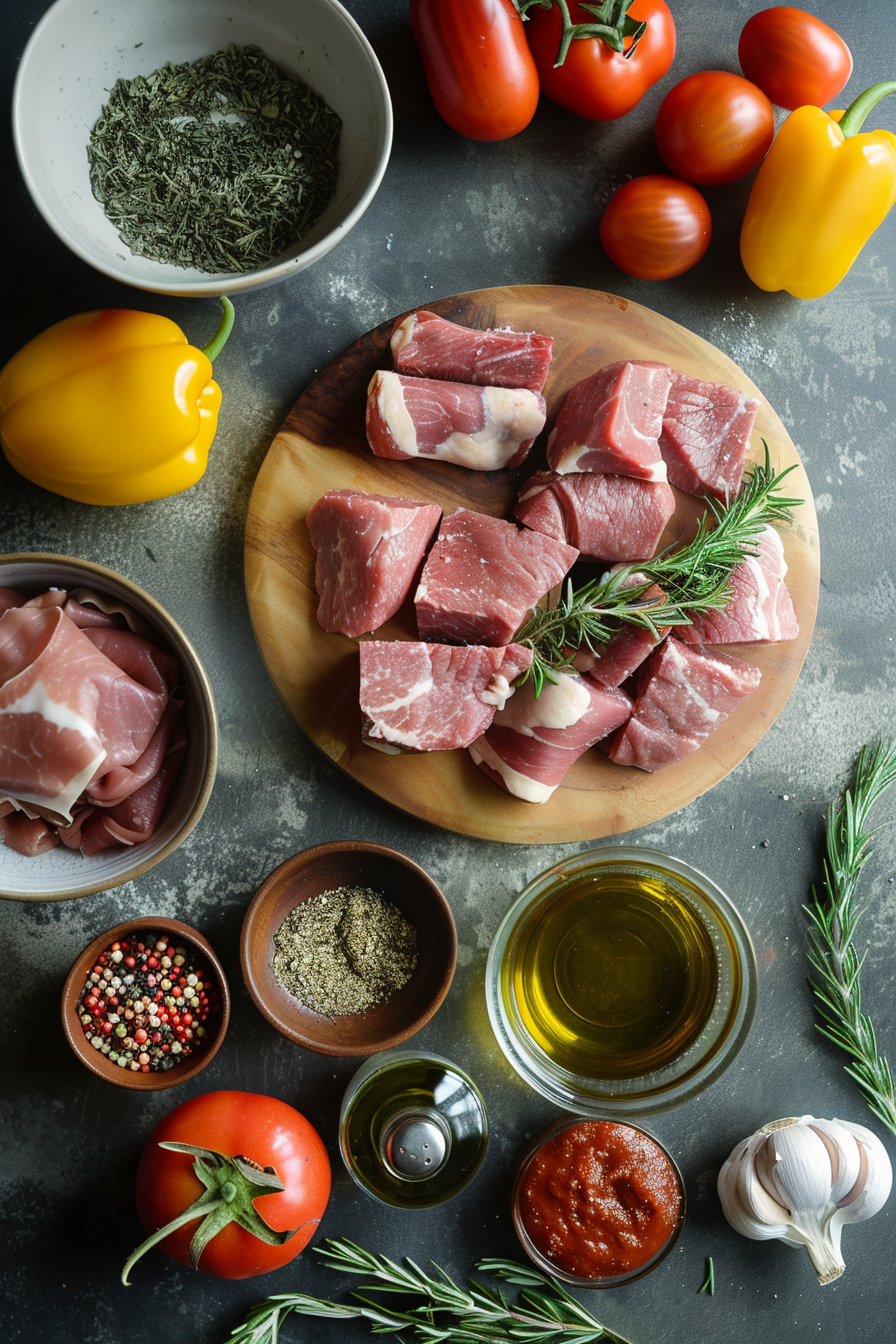
Step-by-Step Instructions
Preparation Phase
- Pat the organic turkey breast completely dry using paper towels or clean kitchen cloth. Moisture prevents proper seasoning absorption and texture development.
- Trim any visible fat or sinew from the turkey using a sharp knife. This ensures even cooking and uniform slicing quality.
- Cut the turkey into quarter-inch cubes, working quickly to prevent oxidation and temperature changes.
Seasoning Phase
- Combine sea salt, black pepper, garlic powder, paprika, thyme, and celery juice powder in a small bowl. Whisk thoroughly to distribute spices evenly throughout the mixture.
- Add the spice blend to the turkey cubes and toss using clean hands or two spoons until each piece receives complete coverage.
- Pour filtered water over the mixture and stir gently for two minutes. This hydration step helps proteins bind together during cooking.
- Cover the seasoned turkey and refrigerate for at least two hours. This resting period allows flavors to penetrate the meat deeply.
Cooking Phase
- Preheat your oven to 325°F and position the rack at the middle level. This lower temperature ensures even cooking without exterior drying.
- Transfer the seasoned turkey mixture to a heavy-bottomed roasting pan. Spread the pieces in a single layer for uniform heat exposure.
- Roast uncovered for 45-55 minutes, stirring every 15 minutes to ensure even browning. The meat should reach 165°F internal temperature.
- Remove from the oven and allow to cool completely at room temperature for 30 minutes. This cooling period firms the structure for slicing.
Finishing Phase
- Transfer the cooled meat to a food processor with a quarter cup of the accumulated pan juices. Pulse 8-10 times, creating a texture between chopped and finely ground.
- Press the processed mixture firmly into parchment-lined loaf pans or storage containers. Compact pressing improves slicing quality and shelf stability.
- Refrigerate for at least four hours before slicing. This setting period creates the proper deli meat structure and firmness.
- Slice to your desired thickness using a sharp deli knife or meat slicer. Store between parchment sheets to prevent sticking.
Chef Tips for Perfect Results
- Temperature precision matters: Use a reliable meat thermometer to verify the internal temperature reaches exactly 165°F. Turkey continues cooking as it cools, so remove it at 162°F for optimal tenderness and food safety.
- Slice against the grain: Identify the muscle fiber direction and cut perpendicular to it. This technique reduces the stringy texture and creates more tender, visually appealing slices for sandwiches.
- Invest in quality salt: Organic sea salt from trusted sources contains beneficial minerals while improving meat binding and flavor development compared to regular table salt alternatives.
- Make ahead strategically: Prepare the seasoned turkey mixture three days in advance, storing it in airtight containers. Complete the cooking and slicing just 24 hours before serving for maximum freshness and flavor.
- Control moisture levels: Pat the finished product dry before storage to prevent bacterial growth and slime development. Excess surface moisture reduces shelf life significantly in refrigerated conditions.
- Use parchment separation: Place parchment paper between each slice before stacking in storage containers. This simple step prevents clumping and makes portioning lunch portions effortless throughout the week.
Common Mistakes to Avoid
Mistake 1: Skipping the Resting Period
Many home cooks rush straight from seasoning to cooking. The resting period allows salt to cure the meat properly and seasonings to distribute evenly. Fix this: Refrigerate the seasoned mixture for minimum two hours before cooking to develop authentic deli meat flavor and texture.
Mistake 2: Overcooking Creates Dry, Stringy Meat
Cooking turkey beyond 165°F breaks down muscle fibers excessively and evaporates moisture critical for slicing quality. Dry organic lunch meat defeats the whole purpose of upgrading from conventional options. Fix this: Remove the turkey at exactly 162°F and monitor the temperature every five minutes during the final cooking stage.
Mistake 3: Inconsistent Slice Thickness
Uneven slices prevent proper moisture distribution during storage and create inconsistent mouthfeel when eating. Thick and thin pieces degrade at different rates, shortening overall shelf life. Fix this: Invest in a quality deli slicer or ask your butcher to slice finished products to exact quarter-inch thickness.
Mistake 4: Using Non-Organic Spices
Conventional spices often contain anti-caking agents and pesticide residues that undermine your organic lunch meat investment. You’re essentially reintroducing the chemicals you worked to avoid. Fix this: Purchase certified organic spices from reputable suppliers and verify the label says “organic” and “no additives.”
Mistake 5: Improper Storage Containers
Plastic containers leach chemicals into your organic lunch meat, especially when storing acidic seasonings or moisture-rich products. Glass containers solve this problem entirely. Fix this: Use glass storage containers with airtight seals and store between parchment sheets for maximum preservation.
Variations and Substitutions
| Ingredient | Substitution | Impact on Flavor |
|---|---|---|
| Organic Turkey Breast | Organic Chicken Breast | Slightly milder flavor, more delicate texture. Same nutrition profile and cooking time. |
| Smoked Paprika | Regular Paprika + Liquid Smoke (1 tsp) | Adds authentic smokehouse depth. Use filtered water instead of regular water to prevent overpowering. |
| Sea Salt | Himalayan Pink Salt | Adds mineral complexity and trace elements. Use same measurement, flavor intensifies slightly. |
| Garlic Powder | Fresh Minced Garlic (2 cloves) | Brighter, more assertive garlic notes. Adds slight moisture, reduce water by 1 tbsp. |
| Thyme | Oregano or Marjoram (0.5 tsp) | More Mediterranean character. Slightly earthier than thyme. |
| Celery Juice Powder | Beetroot Powder (0.5 tsp) | Natural color and mild sweetness. Creates deep red appearance without nitrates. |
Serving Suggestions and Pairings
Serve organic lunch meat on whole grain bread with crisp lettuce and vine-ripened tomatoes for a classic sandwich that highlights clean ingredients. The tender texture pairs beautifully with stone-ground mustard and avocado slices, creating a satisfying lunch without processed cheese products.
Layer thin slices over mixed greens with roasted vegetables and olive oil vinaigrette for a Mediterranean-inspired salad. The protein-rich topping transforms simple greens into a complete meal suitable for meal prep throughout the week. Add cherry tomatoes, cucumber, and fresh herbs for additional nutrients.
Roll slices around organic cheese sticks and herbs for simple appetizers at work events or casual entertaining. These wraps require no cooking and disappear quickly from platters. Serve at room temperature or slightly chilled for optimal flavor and texture.
Dice and add to organic pasta salad with roasted bell peppers, red onion, and herbed vinaigrette. The tender meat absorbs dressing flavors beautifully and provides sustainable protein for outdoor picnics. Prepare four hours ahead so flavors meld completely.
Storage and Reheating
| Method | Duration | Instructions |
|---|---|---|
| Refrigerator Storage | 5-7 days | Place slices between parchment sheets in glass containers. Keep temperature at 40°F or below. Check for discoloration daily. |
| Freezer Storage | 2-3 months | Wrap portions tightly in freezer paper, then place in freezer bags. Label with date. Thaw overnight in refrigerator before use. |
| Vacuum Sealed | 7-10 days | Use vacuum sealer to remove air completely. Store in coldest part of refrigerator. Best method for extended freshness. |
| Cold Serving | Use directly | Remove from storage 10 minutes before serving. Let warm to cool room temperature for best flavor development. |
| Warm Serving | 2-3 minutes | Layer on microwave-safe plate, cover loosely with damp paper towel. Heat at 50% power for 30-45 seconds. Do not overheat. |
Frequently Asked Questions
What’s the difference between organic lunch meat and conventional deli meat?
Organic lunch meat comes from animals raised without synthetic antibiotics, hormones, or pesticide-treated feed, making it fundamentally cleaner at the source. Conventional deli meats contain sodium nitrite and nitrate preservatives linked to health concerns, while organic varieties use safer alternatives like celery juice powder. The taste difference is immediately noticeable once you compare side-by-side slices.
Can I make organic lunch meat without special equipment?
Yes, you can prepare homemade organic lunch meat with just a sharp knife, roasting pan, and basic kitchen tools. A food processor helps achieve proper texture, but pounding the cooked meat by hand works equally well for rustic texture. Professional deli slicers create more uniform results, but careful hand-slicing produces acceptable product for sandwiches.
Why does my homemade organic lunch meat fall apart when slicing?
This happens when the meat hasn’t cooled and set properly after cooking, or when you’re not slicing against the grain correctly. Make sure the finished product refrigerates for four hours minimum before attempting to slice. Use a sharp deli knife or slicer and cut perpendicular to muscle fibers for clean, intact slices.
How do I know when organic lunch meat has gone bad?
Fresh organic lunch meat develops a slimy surface coating and turns gray or brown within 7-10 days of refrigeration. Sour or off smells indicate spoilage requiring immediate discard. Trust your senses: any discoloration, unusual odor, or slimy texture means the product is unsafe to eat.
Is organic lunch meat worth the higher price compared to conventional options?
Yes, organic lunch meat justifies the premium when you consider health benefits, superior flavor, and nutritional density compared to nitrate-laden conventional varieties. You’re paying for cleaner production methods, animal welfare standards, and elimination of synthetic chemicals. Most people notice the quality difference immediately upon tasting.
Conclusion
Organic lunch meat represents a thoughtful upgrade for anyone prioritizing health and transparency in their food choices. This clean protein source delivers satisfying deli flavors without chemical preservatives or antibiotics that linger in your system after eating. Making or selecting organic lunch meat means choosing what genuinely nourishes your body and respects the animals providing your nutrition.
The investment in organic options pays dividends through sustained afternoon energy, improved digestion, and peace of mind knowing exactly what’s in your sandwich. Start incorporating organic lunch meat into weekly meal prep today and experience the lasting freshness and flavor that chemical-free processing provides.